
The Ultimate Olive Garden Alfredo Sauce
There is something universally comforting about a bowl of pasta coated in a rich, velvety white sauce. This homemade version of the famous Olive Garden Alfredo sauce brings that restaurant-quality experience directly to your kitchen. It is incredibly creamy, rich with garlic and Parmesan, and comes together in less than 20 minutes. You do not need to be a professional chef to master this recipe; you simply need the right ingredients and a little patience. Say goodbye to jarred sauces forever, because this fresh, homemade alternative is superior in every way.
Why You Will Love This Recipe
Making pasta sauce from scratch can feel intimidating, but this recipe is approachable for cooks of all skill levels. Here is why this specific version will become a staple in your dinner rotation:
- Restaurant Quality at Home: You get that signature silky texture and sharp cheese flavor without leaving the house or paying restaurant prices.
- Simple Ingredients: There are no preservatives, stabilizers, or artificial flavors. You likely have most of the ingredients in your fridge right now.
- Quick Preparation: The entire sauce comes together in the time it takes to boil a pot of water and cook your fettuccine noodles.
- Versatility: While it is perfect on pasta, this sauce doubles as a fantastic dip for breadsticks, a topping for steamed vegetables, or a base for white pizza.
- Crowd-Pleaser: It is mild enough for children to enjoy but sophisticated enough to serve at a dinner party.
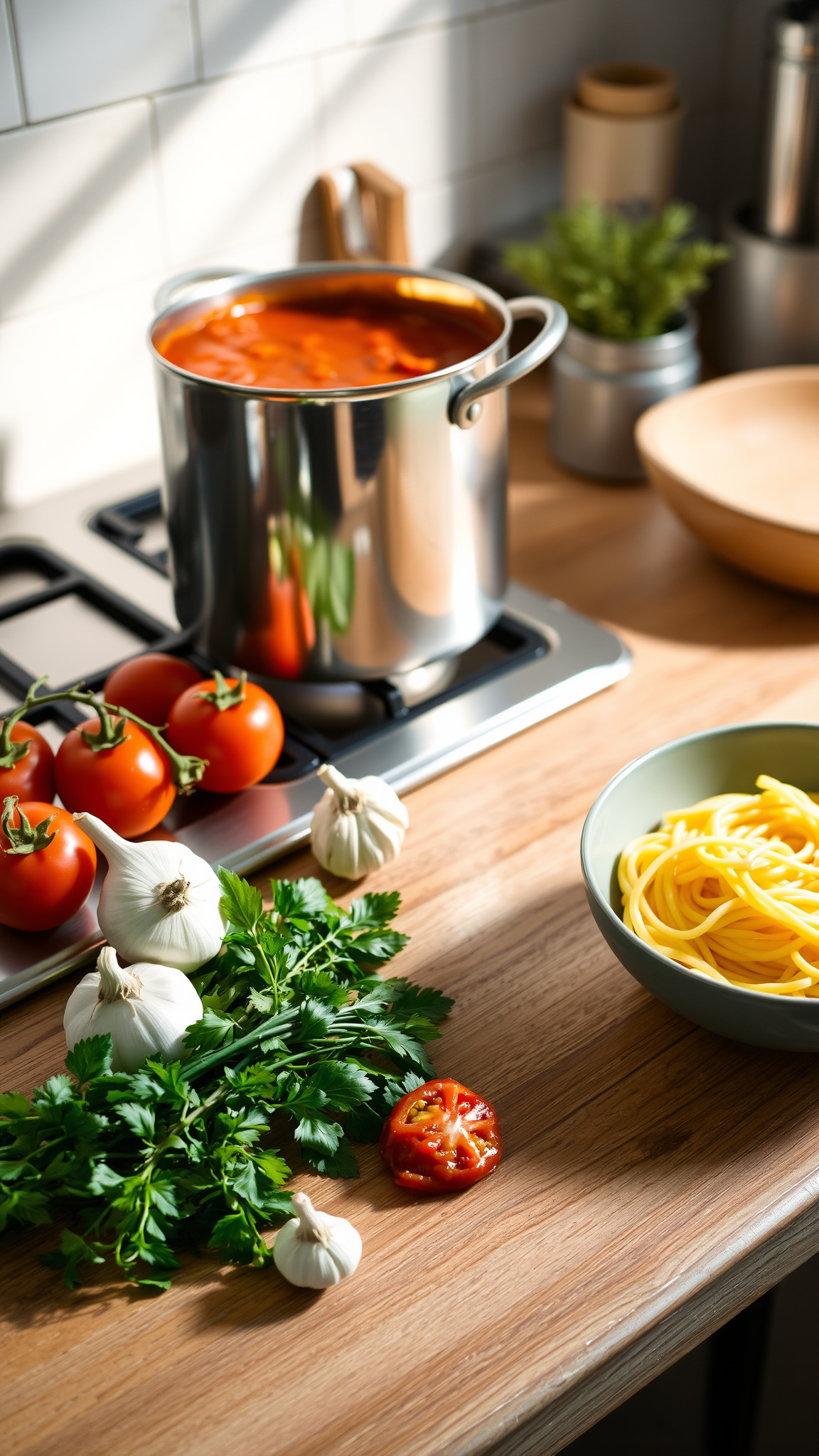
Ingredients List
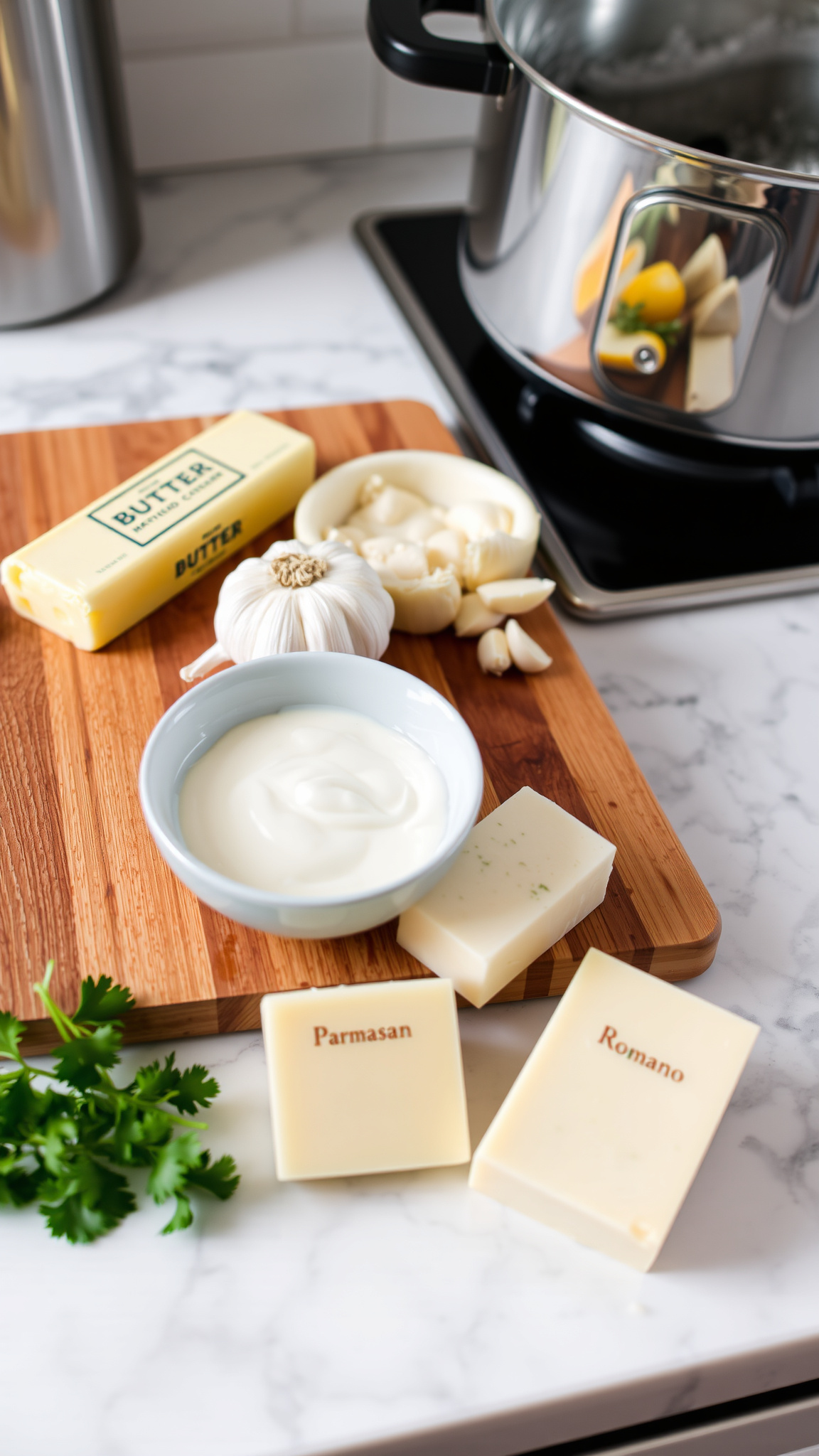
To achieve the authentic taste and texture, quality matters. Avoid substitutions where possible, especially regarding the dairy and cheese.
- Butter: ½ cup (1 stick) unsalted butter. Using unsalted allows you to control the sodium level, as the cheese is naturally salty.
- Garlic: 1 tablespoon fresh garlic, finely minced. Fresh garlic provides a much punchier, aromatic flavor than jarred versions.
- Heavy Whipping Cream: 2 cups. This is the backbone of the sauce. Do not substitute with milk or half-and-half if you want that signature thickness.
- Parmesan Cheese: 1 ½ cups freshly grated Parmesan cheese. Crucial Note: You must grate this yourself from a block. Pre-shredded cheese contains anti-caking agents that prevent smooth melting.
- Romano Cheese: ½ cup freshly grated. This adds a sharper, saltier depth that mimics the specific cheese blend used by the restaurant.
- Flour: 1 tablespoon all-purpose flour. This acts as a stabilizer to help the sauce thicken slightly without becoming gummy.
- Salt: ¼ teaspoon (adjust to taste).
- Black Pepper: ¼ teaspoon fresh cracked pepper.
- Parsley: 1 tablespoon fresh parsley, chopped (for garnish and color).
Step-by-Step Instructions
Follow these steps carefully to ensure your sauce does not separate or become grainy.
Step 1: Melt the Butter
Place a medium saucepan or skillet over medium heat. Add the stick of butter and let it melt completely. Do not let it brown; you just want it bubbling gently.
Step 2: Sauté the Garlic
Add the minced garlic to the melted butter. Sauté for about 30 to 60 seconds. You want the garlic to become fragrant and soft, but not burnt. Burnt garlic will introduce a bitter taste that ruins the creamy profile.
Step 3: Create the Roux
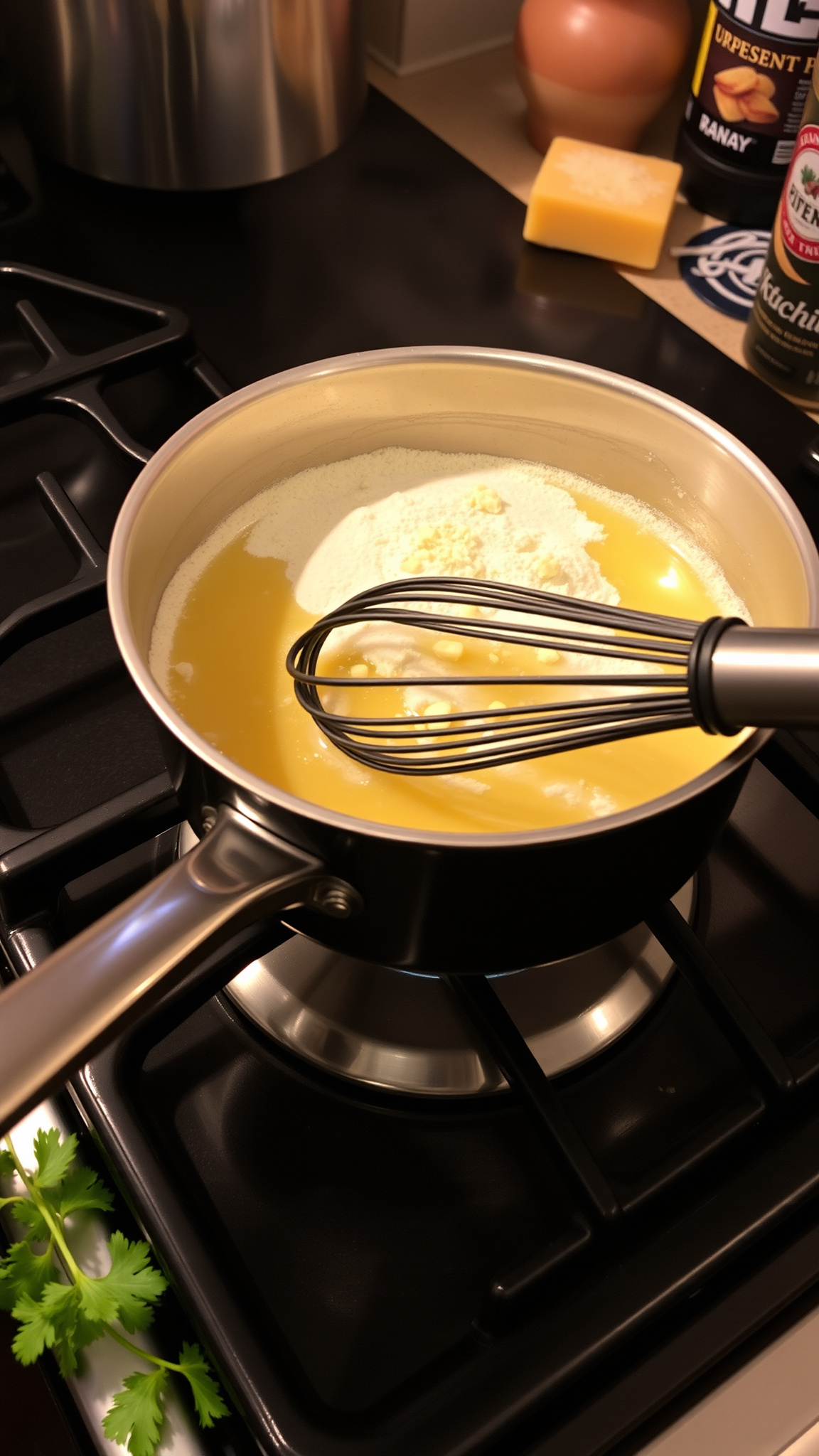
Whisk the tablespoon of flour into the butter and garlic mixture. Cook this for about one minute, whisking constantly. This cooks out the raw flour taste and creates a base that will help thicken the heavy cream.
Step 4: Add the Cream
Slowly pour in the heavy whipping cream while continuing to whisk. This ensures the flour mixture incorporates smoothly into the liquid. Bring the mixture to a gentle simmer. Do not let it come to a rolling boil, as high heat can curdle the dairy. Let it simmer for about 3 to 5 minutes, or until it slightly coats the back of a spoon.
Step 5: Melt the Cheese
Reduce the heat to low. This is the most important step for texture. Add the freshly grated Parmesan and Romano cheeses in small batches, whisking constantly until each batch is fully melted before adding the next. If you add it all at once or have the heat too high, the cheese will clump.
Step 6: Season and Serve
Once all the cheese is melted and the sauce is smooth, remove the pan from the heat. The sauce will continue to thicken as it cools. Stir in the salt and black pepper. Taste and adjust seasoning if necessary. Garnish with fresh parsley and serve immediately over hot pasta.
Nutrition Facts
The values below are estimates based on one serving size, assuming the recipe yields approximately 6 servings.
| Nutrient | Amount per Serving |
| Calories | 380 kcal |
| Total Fat | 36g |
| Saturated Fat | 22g |
| Cholesterol | 110mg |
| Sodium | 420mg |
| Total Carbohydrates | 4g |
| Dietary Fiber | 0g |
| Sugars | 1g |
| Protein | 10g |
Helpful Tips for the Perfect Sauce
Achieving a perfectly smooth emulsion requires attention to detail. Here are expert tips to troubleshoot common issues.
Grate Cheese by Hand
This cannot be overstated. Bags of pre-shredded cheese are coated in cellulose to keep the shreds from sticking together in the bag.4 That same cellulose prevents the cheese from melting into a smooth liquid, resulting in a gritty or stringy sauce. Buy a wedge of Parmesan and grate it on the smallest holes of your box grater.
Room Temperature Ingredients
If possible, let your heavy cream and butter sit out for 20 minutes before cooking. Adding cold cream to hot butter can sometimes shock the mixture and cause separation.
Variations to Try
Once you master the base recipe, you can easily customize it to suit different dietary needs or flavor profiles.
- Cajun Alfredo: Add 1 tablespoon of Cajun seasoning and substitute the black pepper for a pinch of cayenne. This pairs exceptionally well with shrimp or Andouille sausage.
- Chicken Alfredo: Pan-sear seasoned chicken breasts, slice them, and lay them atop the sauce. You can also dice cooked chicken and stir it directly into the sauce.
- Vegetable Primaver: Stir in steamed broccoli florets, sautéed mushrooms, or fresh spinach right at the end of cooking. This adds texture and nutrients to the dish.
- Lighter Version: While heavy cream is standard, you can use half-and-half for a lighter calorie count. However, you may need to increase the flour to 2 tablespoons to maintain thickness, and the sauce will be less rich.
- Gluten-Free: Simply swap the all-purpose flour for a 1:1 gluten-free flour blend or cornstarch. If using cornstarch, mix it with a little cold water to make a slurry before adding it to the hot liquid.
How to Serve
Presentation is key to replicating the restaurant experience.
- Pasta Pairing: Fettuccine is the classic choice because the broad, flat noodles hold the heavy sauce well. However, penne, rigatoni, or farfalle (bow tie) pasta are also excellent options as the sauce clings to their ridges and pockets.
- Side Dishes: Cut through the richness of the dairy with a crisp, acidic side salad featuring a vinaigrette dressing. Garlic breadsticks are, of course, a mandatory accompaniment for dipping.
- Protein Add-ons: Grilled shrimp, blackened salmon, or crispy pancetta can turn this side dish into a hearty main course.
Storage and Reheating Instructions
Alfredo sauce is best eaten fresh, as cream-based sauces can separate when reheated. However, if you have leftovers, follow these guidelines.
Storage
Store the sauce in an airtight container in the refrigerator for up to 3 to 4 days. Do not freeze this sauce; the dairy will separate and the texture will become grainy upon thawing.
Reheating
Avoid the microwave if possible, as it heats unevenly and causes the butter to separate from the cream.
- Stovetop Method: Place the sauce in a saucepan over very low heat. Add a splash of milk or water. Whisk gently and constantly until heated through.
- Microwave Method (If necessary): Heat in 30-second intervals at 50% power, stirring vigorously between each interval to re-emulsify the fats.
FAQs
Why did my Alfredo sauce turn out grainy?
Graininess usually happens for two reasons: either the heat was too high, causing the proteins in the dairy to curdle, or pre-shredded cheese was used. To fix a slightly grainy sauce, you can try blending it with an immersion blender to smooth it out.
Can I use milk instead of heavy cream?
You can, but the texture will change significantly. Milk has a much lower fat content and high water content. If you use milk, you must use a roux (butter and flour) or cornstarch to thicken it, otherwise, it will be watery.
What is the difference between Alfredo and Carbonara?
While both are creamy white pasta sauces, they are chemically very different. Alfredo relies on cream and butter for its richness. Authentic Carbonara contains no cream at all; its creaminess comes from an emulsion of raw eggs, cheese (Pecorino Romano), and pasta water.
Is this recipe vegetarian?
Yes, this recipe is suitable for vegetarians. However, some strict vegetarians avoid Parmesan cheese because traditional Parmesan uses animal rennet.10 You can look for cheese labeled “vegetarian” or “microbial rennet” if this is a concern.
How do I thicken the sauce if it is too runny?
Simmer it for a few more minutes to reduce the liquid. Alternatively, mix a teaspoon of cornstarch with a teaspoon of cold water and whisk it into the simmering sauce. Note that the sauce will thicken naturally as it cools on the plate.
Conclusion
Mastering this copycat Olive Garden Alfredo sauce unlocks a level of home cooking that feels indulgent and special. By using fresh garlic, grating your own cheese, and managing your heat carefully, you can create a meal that rivals any Italian-American chain restaurant. Whether it is a weeknight dinner or a special occasion, this sauce provides the perfect creamy canvas for your favorite pasta and proteins. Gather your ingredients, grab your whisk, and enjoy the process of making the ultimate comfort food right in your own kitchen.


