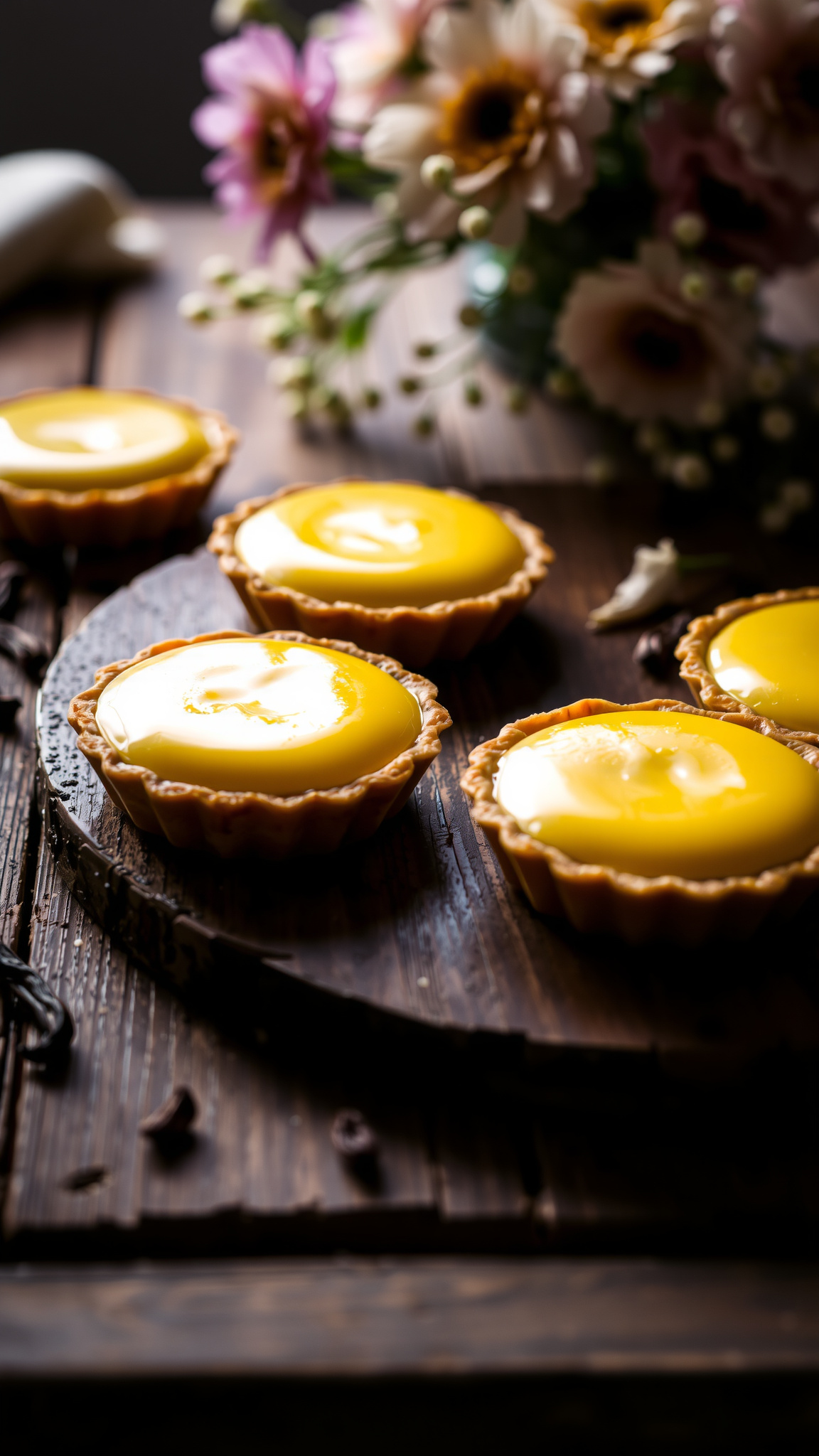
Pastel de Nata Recipe (Portuguese Custard Tarts)
Pastel de Nata is one of those desserts that feels special the moment you bite into it. The crisp, flaky pastry breaks easily, and the warm custard inside is smooth, creamy, and lightly sweet. I started making these at home after tasting an authentic version and realizing how comforting they are when fresh from the oven. This recipe keeps things simple and practical, while still giving you that classic Portuguese flavor and texture. You do not need advanced baking skills, just patience and good timing.
Why I Will Love This Recipe
This recipe is reliable and forgiving, which makes it perfect for home bakers. The custard cooks smoothly without curdling, and the pastry turns golden and crisp every time. The flavor is balanced, not too sweet, with a gentle vanilla warmth. These tarts bake quickly and taste best fresh, which makes them ideal for gatherings or quiet evenings at home. Once you try them warm, it is easy to see why they are so loved.
Ingredients List
For the Pastry
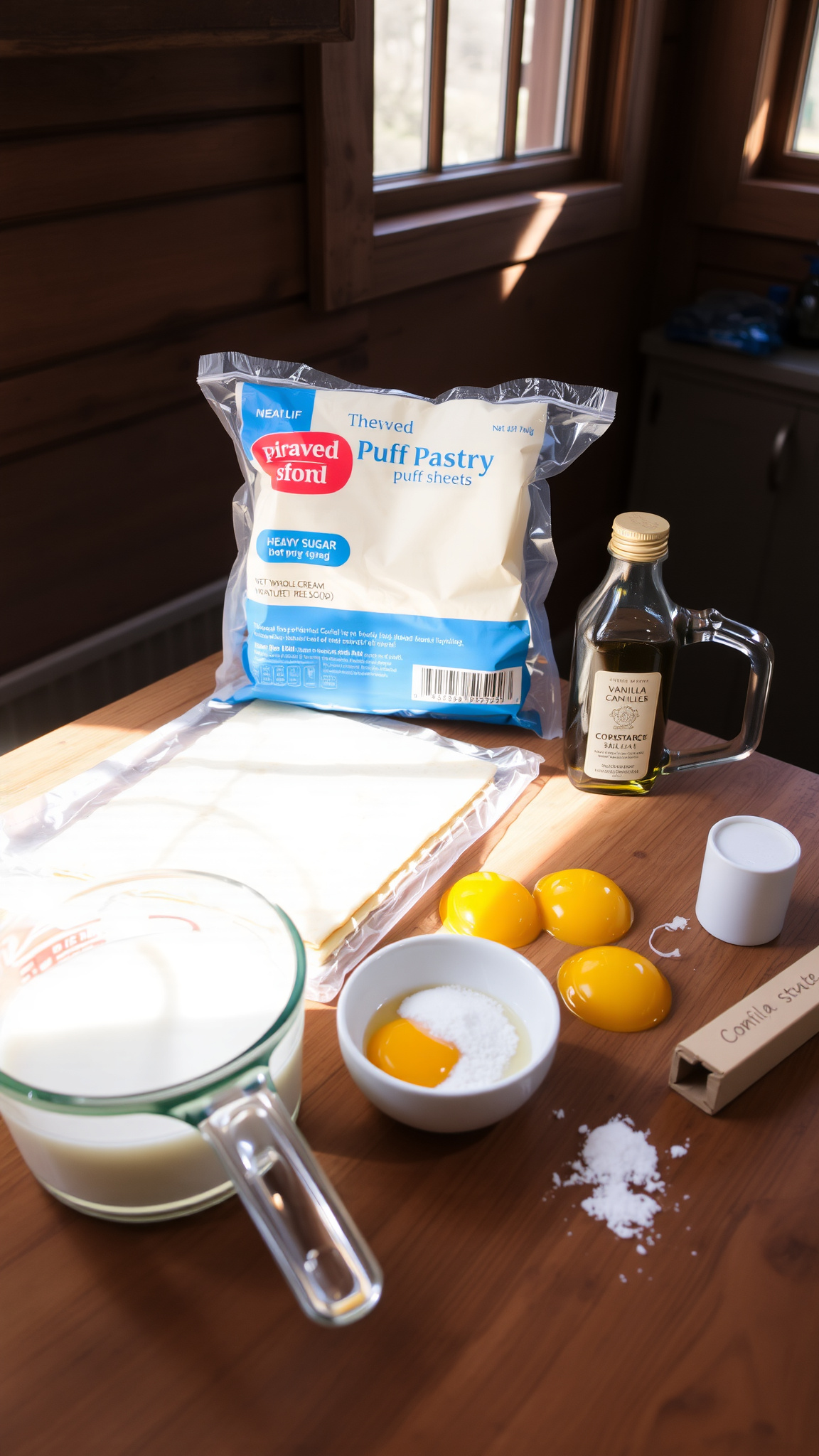
- Puff pastry sheets: 1 package (about 250 g), thawed
For the Custard Filling
- Whole milk: 1 cup (240 ml)
- Heavy cream: ½ cup (120 ml)
- Granulated sugar: ¾ cup (150 g)
- Egg yolks: 4 large
- Cornstarch: 2 tablespoons
- Vanilla extract: 1 teaspoon
- Salt: a small pinch
Tools Used in Cooking
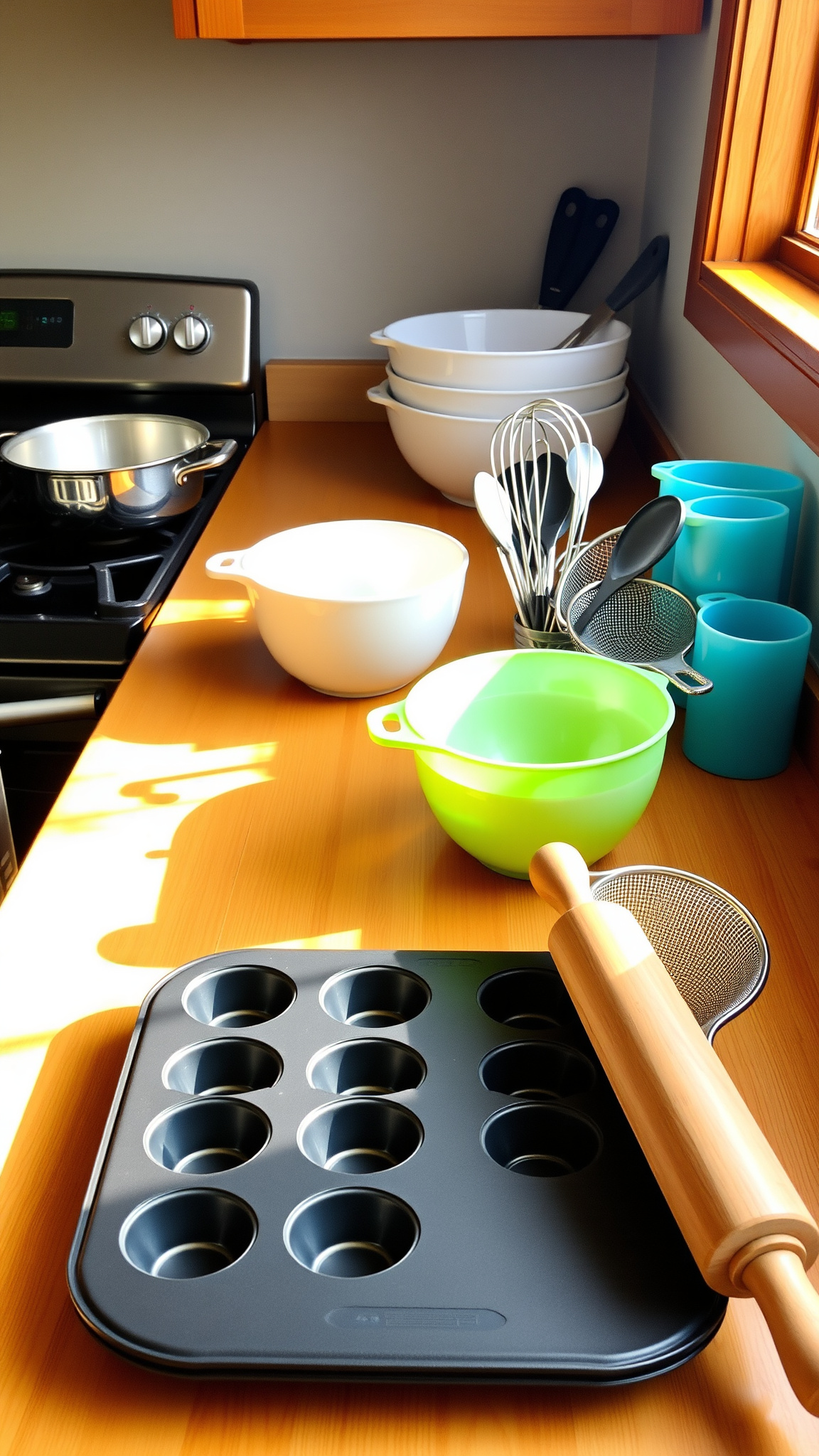
- Muffin tin (12-cup)
- Saucepan
- Mixing bowls
- Whisk
- Measuring cups and spoons
- Fine mesh strainer (optional but helpful)
- Rolling pin
- Oven
Step-by-Step Instructions
- Prepare the oven and pan
Preheat the oven to 475°F (245°C). Lightly grease the muffin tin to prevent sticking. - Shape the pastry
Roll the puff pastry into a tight log. Cut it into 12 equal pieces. Place each piece cut-side up into the muffin cups. Use your thumbs to press the pastry from the center outward, forming thin pastry cups that reach the edges. - Heat the milk and cream
In a saucepan, combine the milk and cream. Heat over medium heat until warm, not boiling. Stir gently and remove from heat. - Mix the custard base
In a bowl, whisk sugar, cornstarch, salt, and egg yolks until smooth. Slowly pour the warm milk mixture into the bowl while whisking constantly. - Cook the custard
Return the mixture to the saucepan. Cook over medium heat, whisking continuously, until it thickens slightly. Do not let it boil. Remove from heat and stir in vanilla extract. - Fill the pastry cups
Pour the custard into each pastry shell, filling about three-quarters full. - Bake the tarts
Bake for 12 to 15 minutes, until the pastry is deeply golden and the custard has dark caramelized spots on top. - Cool slightly before serving
Let the tarts rest for 5 minutes before removing them from the pan.
Nutrition Facts (Per Tart)
| Nutrient | Amount |
|---|---|
| Calories | 210 kcal |
| Carbohydrates | 22 g |
| Protein | 4 g |
| Fat | 12 g |
| Saturated Fat | 6 g |
| Sugar | 14 g |
| Sodium | 95 mg |
Helpful Tips
Use cold puff pastry and work quickly so it stays flaky. Stir the custard constantly while cooking to avoid lumps or scorching. Baking at a high temperature is important, as it helps create the signature blistered top. If the custard thickens too much before baking, whisk in a tablespoon of warm milk to loosen it.
Variations
You can add a light sprinkle of cinnamon on top after baking for extra warmth. For a citrus note, add a small strip of lemon peel to the milk while heating, then remove it before mixing. If you prefer a less sweet tart, reduce the sugar by two tablespoons without affecting texture.
How to Serve
Serve Pastel de Nata warm for the best texture and flavor. They pair well with plain tea or coffee. For a traditional touch, dust lightly with cinnamon just before serving.
Storage Instructions
These tarts are best eaten fresh on the same day. If needed, store leftovers in an airtight container in the refrigerator for up to two days. Reheat briefly in a hot oven to restore some crispness. Avoid microwaving, as it softens the pastry.
FAQs
Can I make these ahead of time?
You can prepare the custard a few hours in advance and keep it chilled. Assemble and bake just before serving.
Why is my custard not caramelizing on top?
The oven temperature may be too low. High heat is necessary for the dark spots to form.
Can I freeze Pastel de Nata?
Freezing is not recommended, as the custard texture changes after thawing.
Conclusion
Pastel de Nata may look impressive, but it is very achievable at home with the right method. This recipe focuses on simple steps, clear timing, and balanced flavor. When baked hot and served warm, these Portuguese custard tarts deliver crisp pastry and creamy filling in every bite. Once you make them yourself, they quickly become a favorite treat worth repeating.