
Better Than Takeout: The Ultimate Homemade Teriyaki Sauce Guide
Making your own teriyaki sauce at home changes the way you cook stir-fries and marinades. This version captures that perfect balance of salty, sweet, and savory that you usually only find in restaurants. It is incredibly fast to make, requires no special equipment, and lets you skip the preservatives found in bottled versions. Within ten minutes, you will have a glossy, thick sauce ready to glaze chicken, salmon, or vegetables.
Why You Will Love This Recipe
- Total Control: You decide how sweet or salty the sauce is. You can easily swap ingredients to fit dietary needs, like using low-sodium soy sauce.
- Pantry Staples: You likely already have most of these ingredients in your kitchen cabinet.
- Better Texture: Store-bought sauces are often too runny or overly gelatinous. This recipe gives you that restaurant-quality, sticky glaze that clings perfectly to meat and vegetables.
- No Additives: This recipe uses real garlic and ginger, avoiding the artificial aftertaste of high-fructose corn syrup and stabilizers.
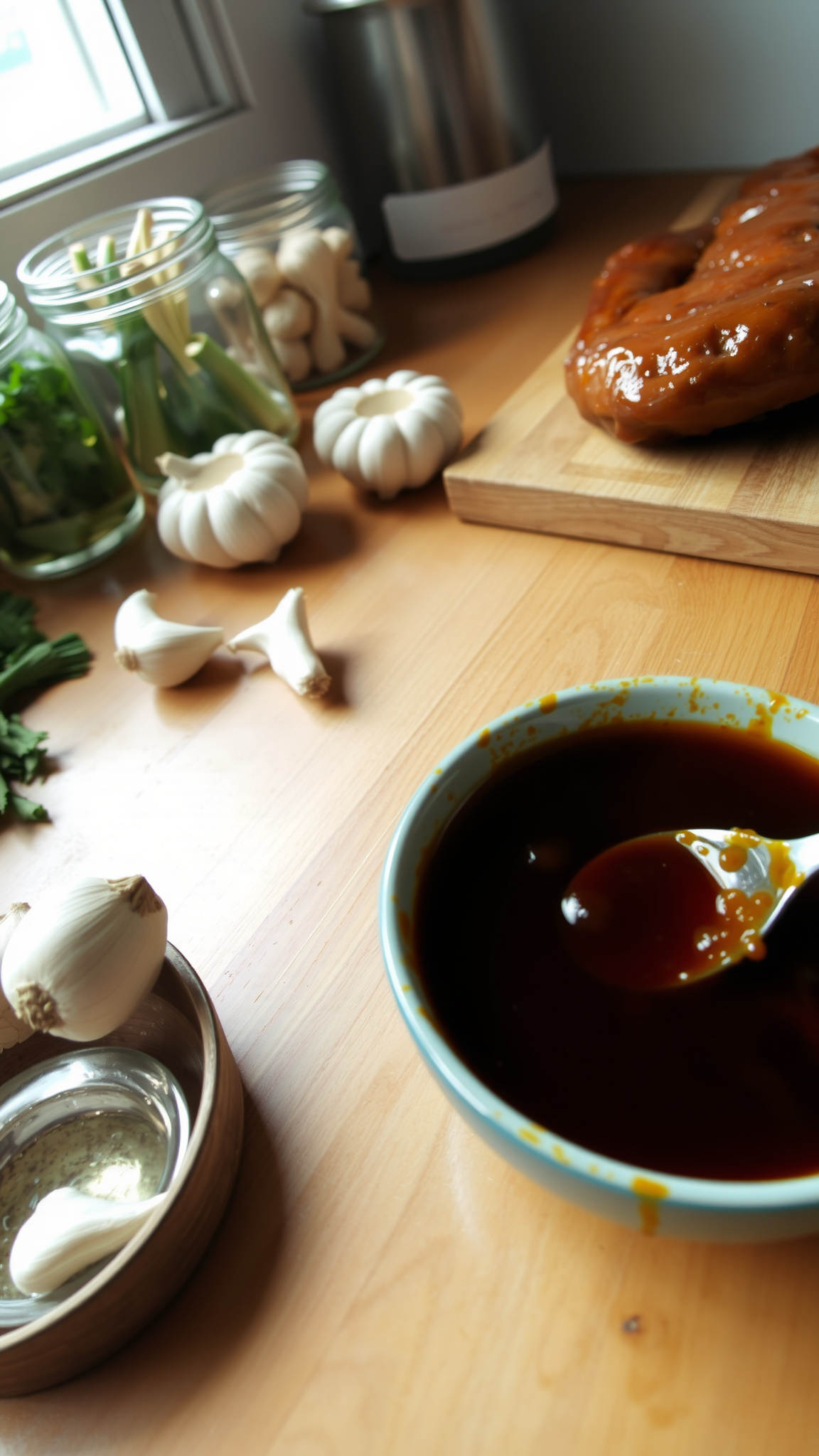
Ingredients List
To get that authentic shine and depth of flavor, you need the following simple ingredients:
- Soy Sauce: This is the base. Use regular soy sauce for the classic taste, or low-sodium if you want to control salt intake.
- Water: Used to dilute the harshness of the soy sauce.
- Brown Sugar: Provides a deep, caramel-like sweetness and helps the sauce thicken and glaze.
- Honey: Adds a distinct floral sweetness and gives the sauce its glossy sheen.
- Fresh Garlic: Minced finely for a punch of savory flavor.
- Fresh Ginger: Grated fresh ginger adds a warm, spicy kick that cuts through the sugar.
- Toasted Sesame Oil: A little goes a long way for that nutty aroma.
- Cornstarch & Cold Water: Essential for creating a slurry to thicken the sauce.
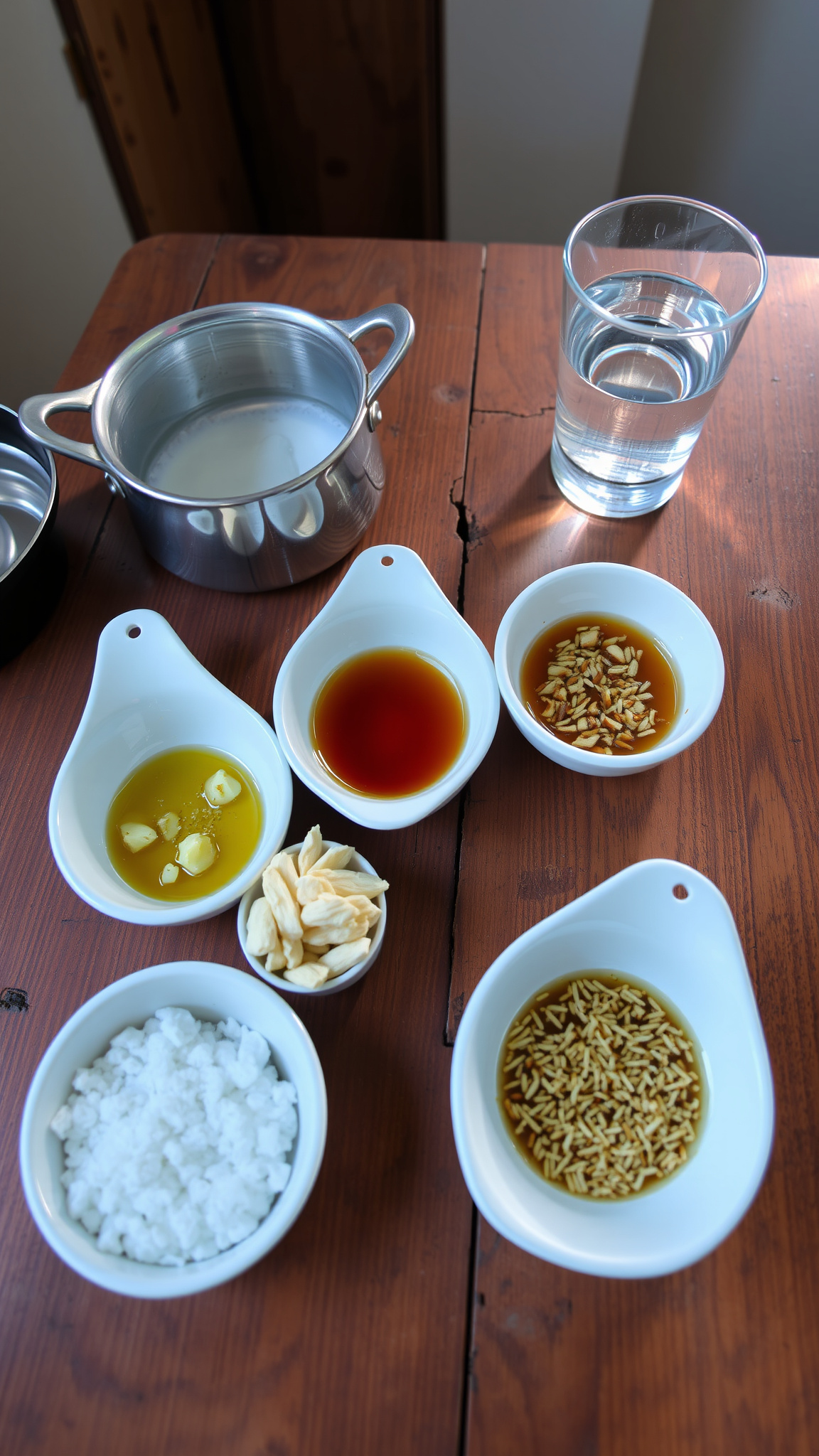
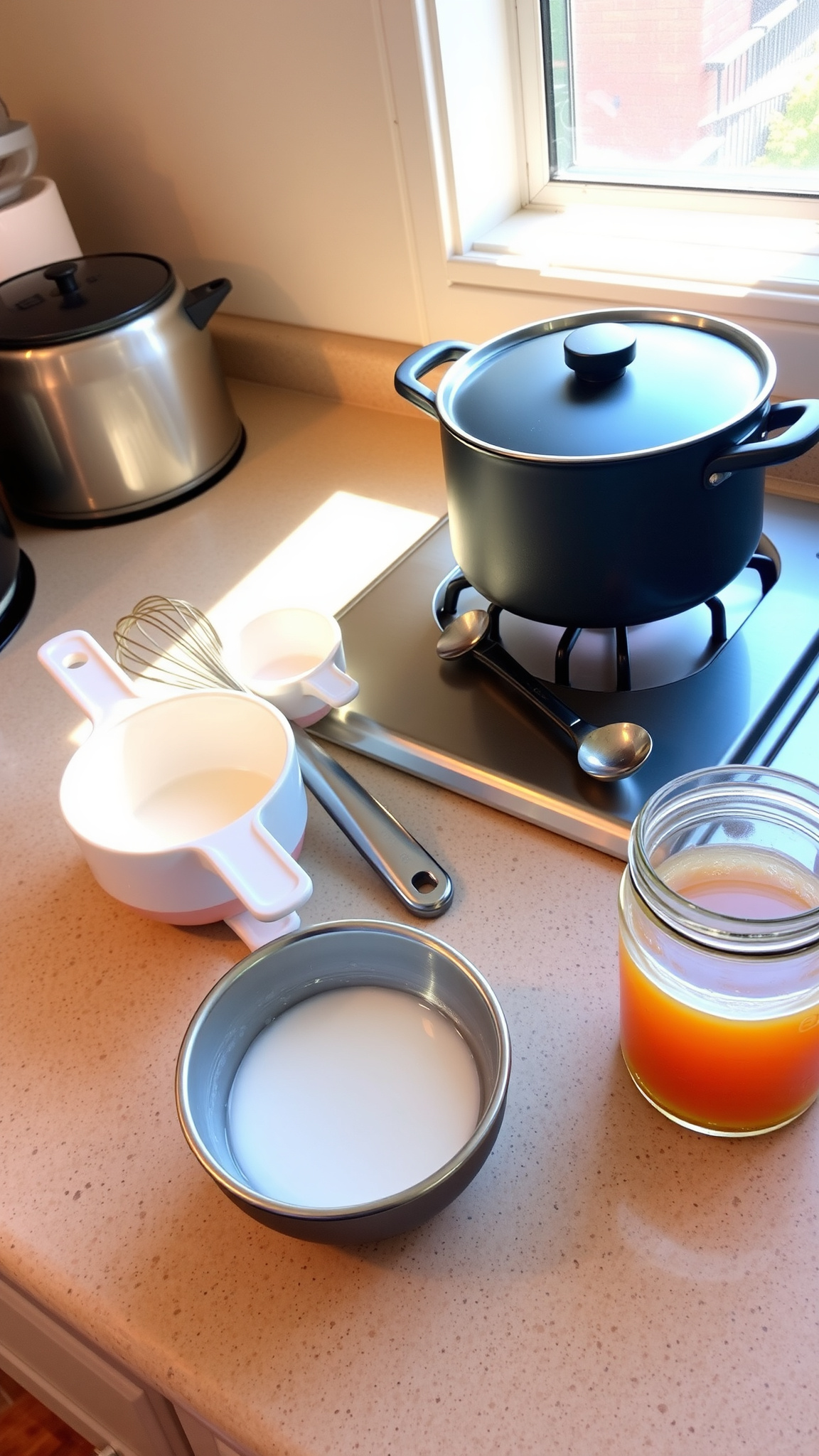
Tools Used in Cooking
- Small Saucepan: For simmering the ingredients.
- Whisk: To ensure the sugar dissolves and the cornstarch doesn’t clump.
- Measuring Cups and Spoons: For accurate proportions.
- Small Bowl: To mix the cornstarch slurry.
- Glass Jar or Airtight Container: For storing the finished sauce.
Step-by-Step Instructions
- Combine Base Ingredients:Place your saucepan on the stove over medium heat. Add the soy sauce, water, brown sugar, honey, minced garlic, grated ginger, and sesame oil.
- Dissolve and Simmer:Whisk the mixture continuously until the brown sugar and honey have completely dissolved. Bring the liquid to a gentle simmer. Do not let it boil efficiently, as sugar burns easily.
- Create the Slurry:In a separate small bowl, mix the cornstarch with cold water. Stir firmly until it is smooth and looks like heavy cream. There should be no lumps.
- Thicken the Sauce:Slowly pour the cornstarch mixture into the simmering saucepan while whisking constanty. This prevents lumps from forming.
- Cook to Desired Consistency:Let the sauce simmer for another 1 to 2 minutes. You will see it transform from a dark water consistency to a thick, glossy glaze. It should coat the back of a spoon.
- Cool and Serve:Remove the pan from the heat. Remember that the sauce will continue to thicken as it cools down.
Nutrition Facts
Values are estimates per tablespoon (approx. 18g).
| Nutrient | Amount |
| Calories | 25 kcal |
| Total Fat | 0.2g |
| Cholesterol | 0mg |
| Sodium | 450mg |
| Total Carbohydrates | 5g |
| Sugars | 4g |
| Protein | 1g |
Helpful Tips for Success
- Use Fresh Aromatics: While garlic powder and ground ginger work in a pinch, fresh garlic and ginger provide a much brighter, zestier flavor profile.
- Watch the Heat: Sugary sauces can boil over or burn quickly. Keep your heat at medium-low once the sugar dissolves.
- Adjust Thickness: If the sauce is too thick after cooling, whisk in a teaspoon of water at a time. If it is too thin, simmer it for another minute.
- The Spoon Test: Dip a metal spoon into the sauce. Run your finger down the back of the spoon. If the line remains clear without the sauce running back into it, it is ready.
Variations to Try
- Spicy Teriyaki: Add half a teaspoon of red chili flakes or a squirt of Sriracha during the simmering step for a spicy kick.
- Pineapple Teriyaki: Substitute half of the water with pineapple juice. The acidity of the juice works wonders as a meat tenderizer.
- Gluten-Free: Swap standard soy sauce for Tamari or coconut aminos. Check your cornstarch label to ensure it is certified gluten-free.
- Citrus Zest: Add a teaspoon of orange zest for a vibrant, fruity undertone that pairs well with chicken.
How to Serve
- As a Glaze: Brush it over grilled chicken, salmon, or tofu during the last few minutes of cooking to prevent burning.
- Stir-Fry Sauce: Toss cooked vegetables and noodles in the sauce just before serving.
- Dipping Sauce: Serve it in a small bowl alongside dumplings, spring rolls, or chicken tenders.
- Marinade: Let meat sit in the sauce for at least 30 minutes before cooking. Note that if you use it as a marinade, discard the liquid used on raw meat and make a fresh batch for serving.
Storage Instructions
- Refrigerator: Pour the cooled sauce into a clean glass jar or airtight container. It will stay fresh in the fridge for up to two weeks.
- Freezer: You can freeze this sauce. Place it in a freezer-safe bag or container for up to three months. Thaw it in the fridge overnight before using.
- Reheating: If the sauce has become too gelatinous in the fridge, microwave it for 15 seconds or warm it on the stove to return it to a liquid state.
Frequently Asked Questions
Is teriyaki sauce vegan?
Yes, this recipe is naturally vegan. However, some store-bought brands use honey or ingredients processed with bone char, so making it at home ensures it fits your lifestyle.
Can I use white sugar instead of brown sugar?
You can, but brown sugar contains molasses, which contributes to the dark color and rich flavor associated with classic teriyaki. White sugar will result in a lighter, simpler sweetness.
Why is my sauce cloudy?
This usually happens if the cornstarch wasn’t fully dissolved before adding it to the heat, or if the sauce wasn’t simmered long enough after adding the slurry. It is still safe to eat.
Can I make this without cornstarch?
Cornstarch is the best thickener for that glossy look. You can try arrowroot powder or simply simmer the sauce for much longer to reduce it, though the texture will be different.
Conclusion
Making homemade teriyaki sauce is one of the easiest ways to elevate your cooking. It requires minimal effort but delivers a massive upgrade in flavor compared to bottled options. By keeping a jar of this in your fridge, you are always just a few minutes away from a delicious, healthy, and satisfying meal. Try this recipe for your next stir-fry night and taste the difference fresh ingredients make.


