
Homemade Nacho Cheese Sauce (Smooth, Creamy, and Foolproof)
Warm, creamy, and rich without feeling heavy, homemade nacho cheese sauce is one of those recipes that quietly upgrades everything it touches. Made with simple pantry ingredients and ready in minutes, this sauce delivers bold cheese flavor without processed additives. Whether poured over tortilla chips, drizzled on fries, or spooned into wraps, it’s dependable, customizable, and far better than store-bought versions. Once you make it at home, it quickly becomes a staple for snacks, parties, and easy comfort meals.
Why You’ll Love This Recipe
This homemade nacho cheese sauce is designed to be reliable and flexible. It melts smoothly, holds its texture, and doesn’t turn grainy when cooled slightly. You control the salt, spice, and thickness, which means it works just as well for kids as it does for spice lovers. It uses real cheese, basic dairy, and a simple roux, so there’s no need for artificial stabilizers. Best of all, it comes together in under 15 minutes, making it perfect for last-minute cravings or quick entertaining.

Ingredients List
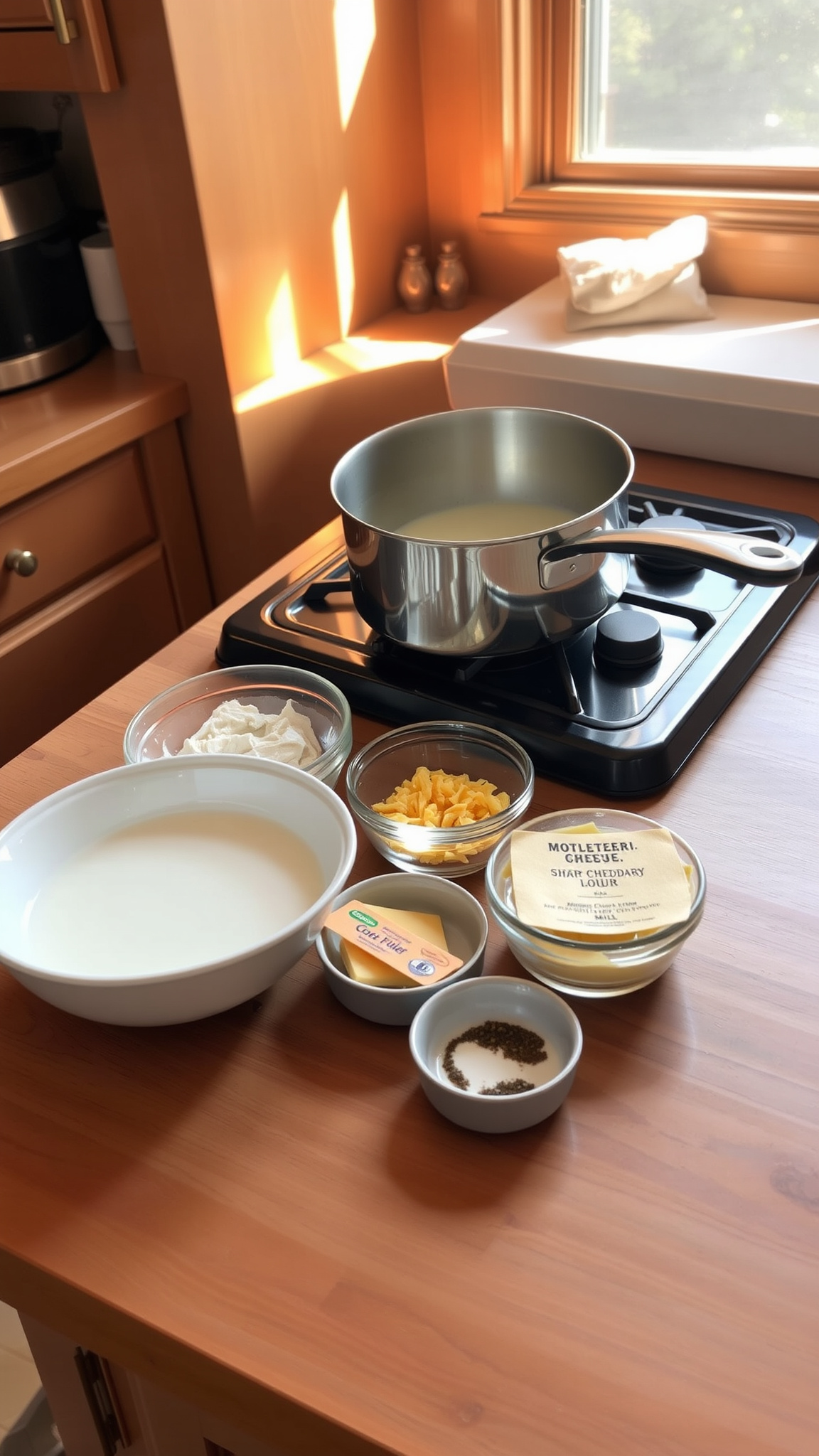
Each ingredient plays a specific role in creating a stable, creamy sauce with balanced flavor.
- Unsalted butter – 2 tablespoons
Forms the base of the roux and adds richness. - All-purpose flour – 2 tablespoons
Thickens the sauce and prevents separation. - Whole milk – 1½ cups (warm)
Creates a smooth, pourable texture. - Sharp cheddar cheese – 2 cups, freshly shredded
Provides classic nacho flavor and color. - Monterey Jack cheese – ½ cup, freshly shredded
Improves meltability and creaminess. - Salt – ½ teaspoon (adjust to taste)
Enhances cheese flavor. - Garlic powder – ¼ teaspoon
Adds mild savory depth without overpowering. - Smoked paprika or chili powder – ¼ teaspoon
Gives subtle warmth and color. - Optional heat: cayenne or jalapeño brine – to taste
For those who like a little kick.
Step-by-Step Instructions
Follow these steps carefully to ensure a smooth, lump-free cheese sauce every time.
- Prepare the cheese first
Shred both cheeses finely and set them aside at room temperature. Pre-shredded cheese often contains anti-caking agents that can cause a gritty sauce. - Melt the butter gently
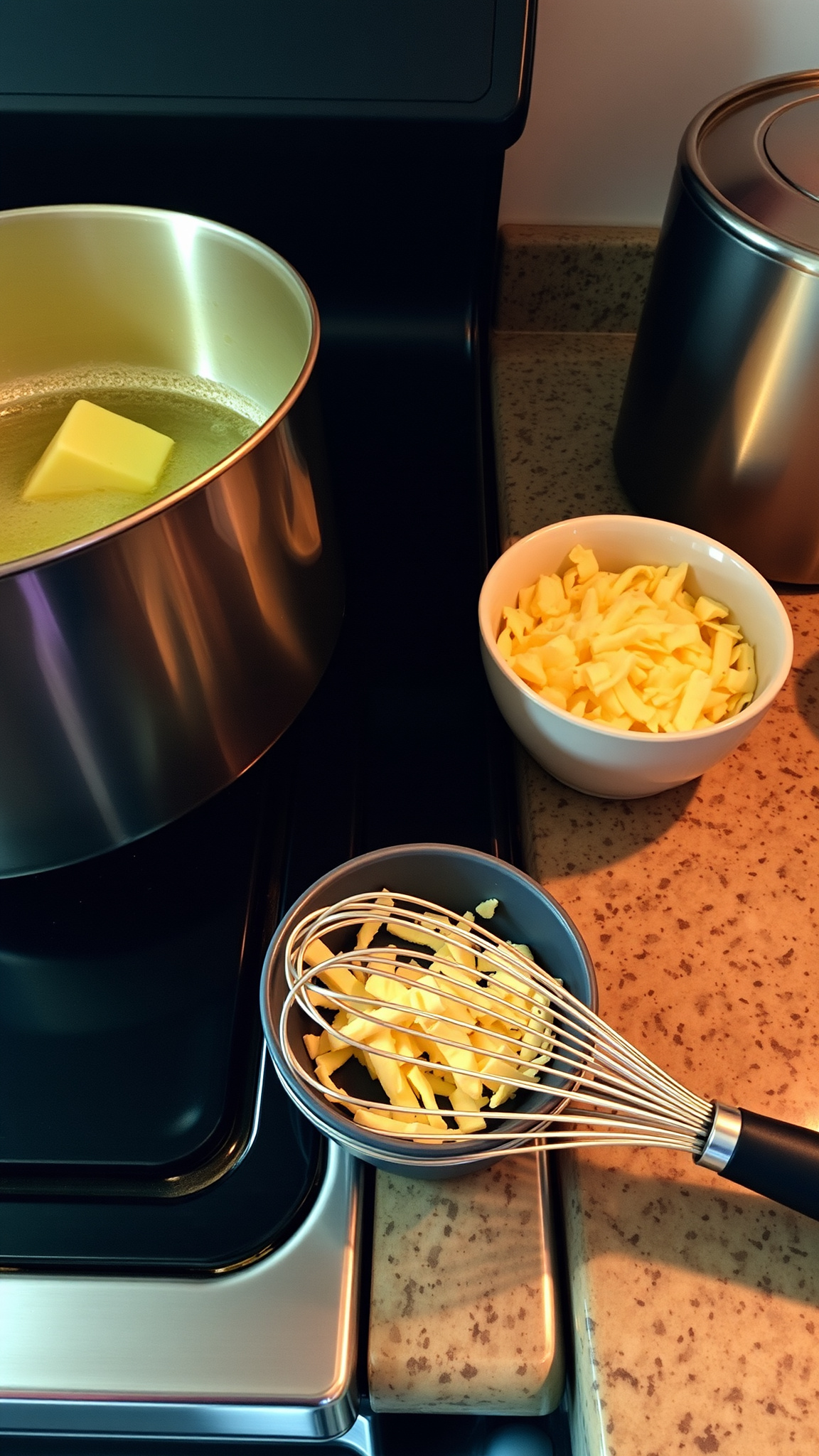
Place a medium saucepan over medium heat. Add the butter and let it melt fully without browning. - Create the roux
Sprinkle the flour into the melted butter. Whisk continuously for about 60 seconds. The mixture should bubble lightly but stay pale. - Add warm milk slowly
Pour in the milk a little at a time while whisking constantly. This prevents lumps and helps the sauce thicken evenly. - Simmer to thicken
Continue whisking as the sauce heats. Within 3–4 minutes, it should coat the back of a spoon. Reduce heat to low. - Season the base
Add salt, garlic powder, and paprika or chili powder. Stir well so the seasoning disperses evenly. - Incorporate the cheese gradually
Add a small handful of cheese at a time, stirring gently until melted before adding more. Keep the heat low to avoid curdling. - Adjust texture and flavor
If the sauce is too thick, add a tablespoon of milk. For more heat, stir in cayenne or jalapeño brine. - Serve immediately or keep warm
Use right away for best texture, or keep on very low heat, stirring occasionally.
Nutrition Facts (Approximate Per Serving)
| Nutrient | Amount |
|---|---|
| Calories | 180 kcal |
| Protein | 8 g |
| Fat | 14 g |
| Saturated Fat | 8 g |
| Carbohydrates | 6 g |
| Sugar | 3 g |
| Sodium | 320 mg |
| Calcium | 20% DV |
Values are estimates and vary based on cheese and milk used.
Helpful Tips
Use freshly shredded cheese for the smoothest result, as packaged shreds often resist melting properly. Always keep the heat low once the cheese is added, because high heat causes proteins to tighten and turn grainy. If the sauce thickens as it sits, a splash of warm milk stirred in gently will restore its original texture. Stir with a silicone spatula rather than a whisk once the cheese melts to avoid incorporating air.
Variations
For a spicier version, blend in finely minced pickled jalapeños or a spoon of hot sauce. To make it extra creamy, replace ¼ cup of milk with evaporated milk. A smoky version works well with chipotle powder instead of paprika. For a milder family-friendly sauce, use all Monterey Jack and skip the chili spices entirely. You can also add a spoon of cream cheese for extra body and stability.
How to Serve
This nacho cheese sauce is incredibly versatile. Pour it over tortilla chips for classic nachos, drizzle it on fries or baked potatoes, or use it as a dip for soft pretzels and vegetables. It works well as a topping for burgers, hot dogs, and breakfast wraps. You can even spoon it into tacos or quesadillas to add moisture and richness without overwhelming other flavors.
Storage Instructions
Allow the sauce to cool completely before storing. Transfer it to an airtight container and refrigerate for up to 4 days. When reheating, use low heat on the stovetop or short intervals in the microwave, stirring frequently. Add a small amount of milk if needed to loosen the sauce. Freezing is not recommended, as dairy-based sauces tend to separate when thawed.
FAQs
Why did my cheese sauce turn grainy?
This usually happens when the heat is too high or the cheese is added too quickly. Lower heat and gradual melting prevent this.
Can I make this sauce ahead of time?
Yes. Make it up to one day ahead and reheat gently with a little milk while stirring.
Can I use other cheeses?
Yes, but choose good melting cheeses like Colby, mild cheddar, or Havarti. Avoid very aged or crumbly cheeses.
Is this sauce gluten-free?
Not as written. You can replace flour with a gluten-free all-purpose blend or cornstarch slurry.
How do I keep it warm for a party?
Use a small slow cooker on the warm setting, stirring occasionally.
Conclusion
Homemade nacho cheese sauce is simple, dependable, and deeply satisfying. With real ingredients, careful heat control, and a balanced cheese blend, you get a sauce that’s smooth, flavorful, and endlessly adaptable. It works just as well for casual snacking as it does for feeding a crowd. Once you master this method, you’ll never need to rely on packaged cheese sauce again.


