
Healthy Rice Pilaf Recipe: A Wholesome, Flavor-Packed Side for Everyday Meals
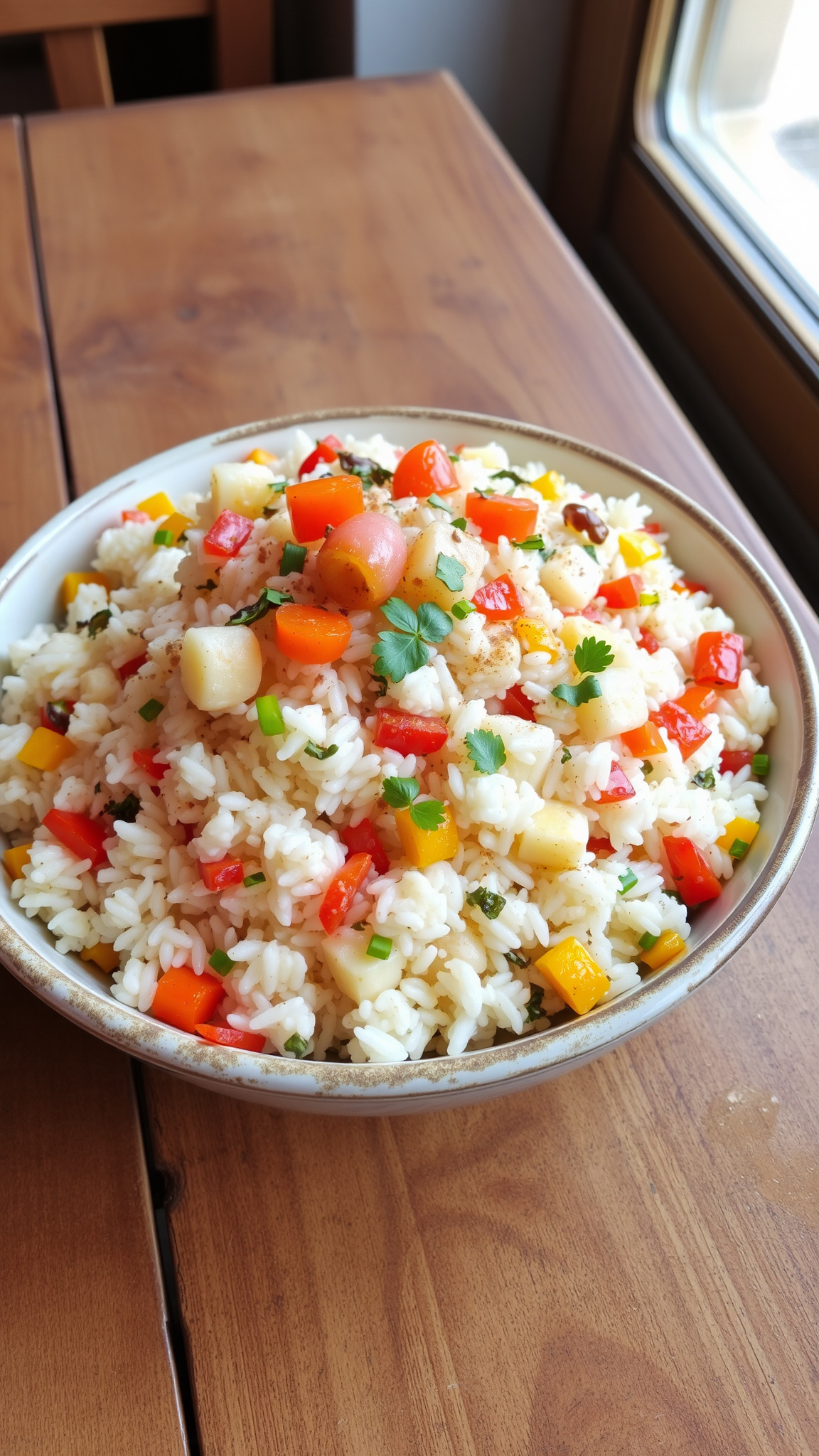
Light, fragrant, and deeply satisfying, a healthy rice pilaf proves that simple ingredients can still deliver big flavor. This version focuses on whole grains, gentle cooking methods, and balanced seasoning to keep the dish nourishing without sacrificing taste. It works just as well for busy weeknights as it does for relaxed family meals, offering comfort and nutrition in every spoonful. Best of all, it’s easy to adapt to what you already have in your kitchen.
Why You Will Love This Recipe
You’ll love this healthy rice pilaf because it strikes that sweet spot between comfort food and smart eating. The grains cook up fluffy, not sticky, while aromatics add depth without heaviness. It feels hearty enough to stand on its own, yet light enough to pair with almost anything. Because it relies on pantry staples and fresh vegetables, it’s affordable and practical. Once you make it, you’ll see how effortlessly it fits into a balanced routine.
Ingredients List
For the pilaf:
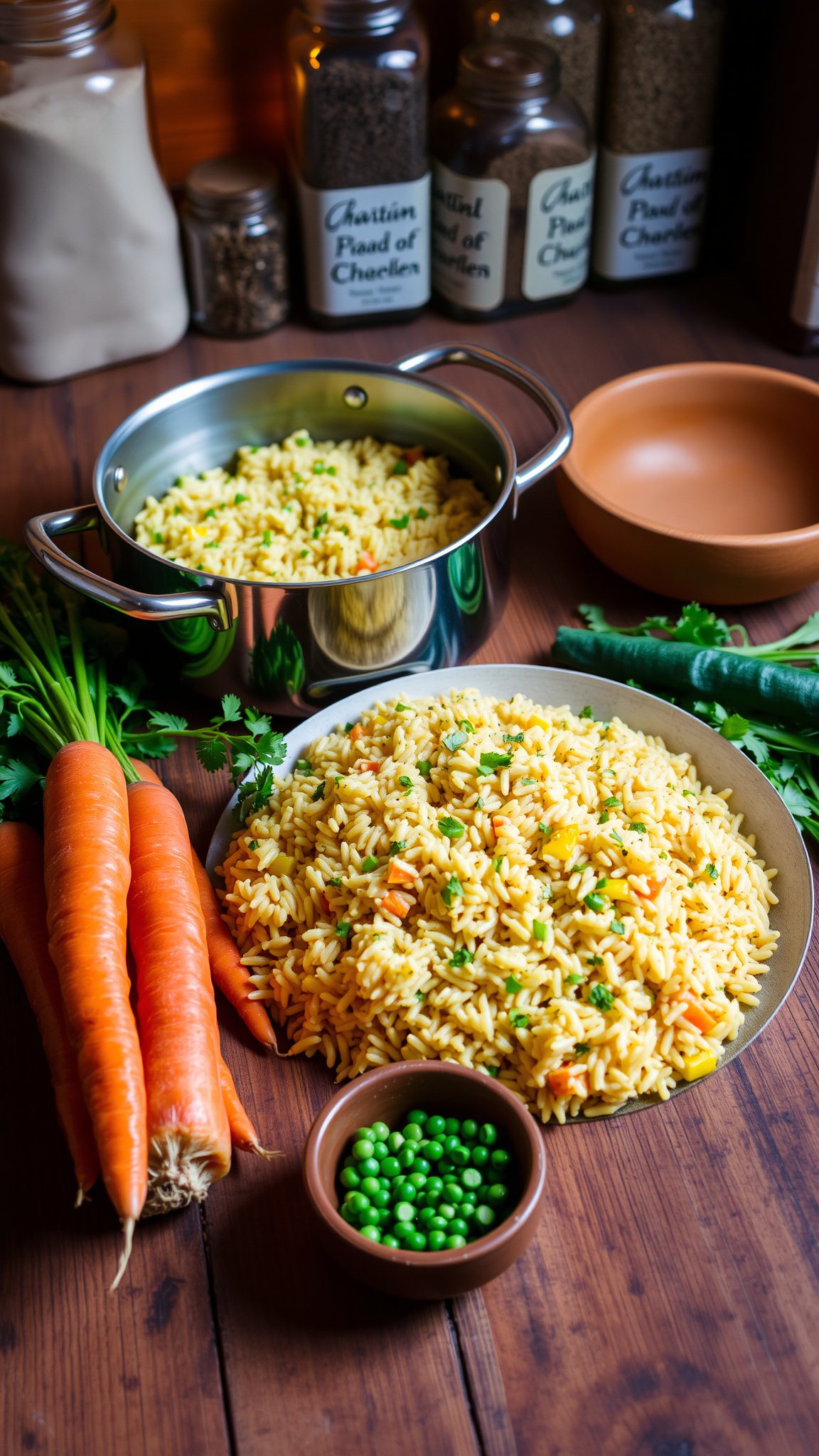
- 1 cup brown rice or long-grain white rice
- 2 tablespoons olive oil
- 1 small onion, finely chopped
- 2 cloves garlic, minced
- 1 medium carrot, diced small
- ½ cup green peas (fresh or frozen)
- 2 cups low-sodium vegetable broth or water
- ½ teaspoon salt, or to taste
- ¼ teaspoon black pepper
- Optional flavor boosters:
- 1 bay leaf
- ½ teaspoon ground cumin or coriander
- 2 tablespoons chopped fresh parsley or dill
Step-by-Step Instructions
Step 1: Rinse the Rice
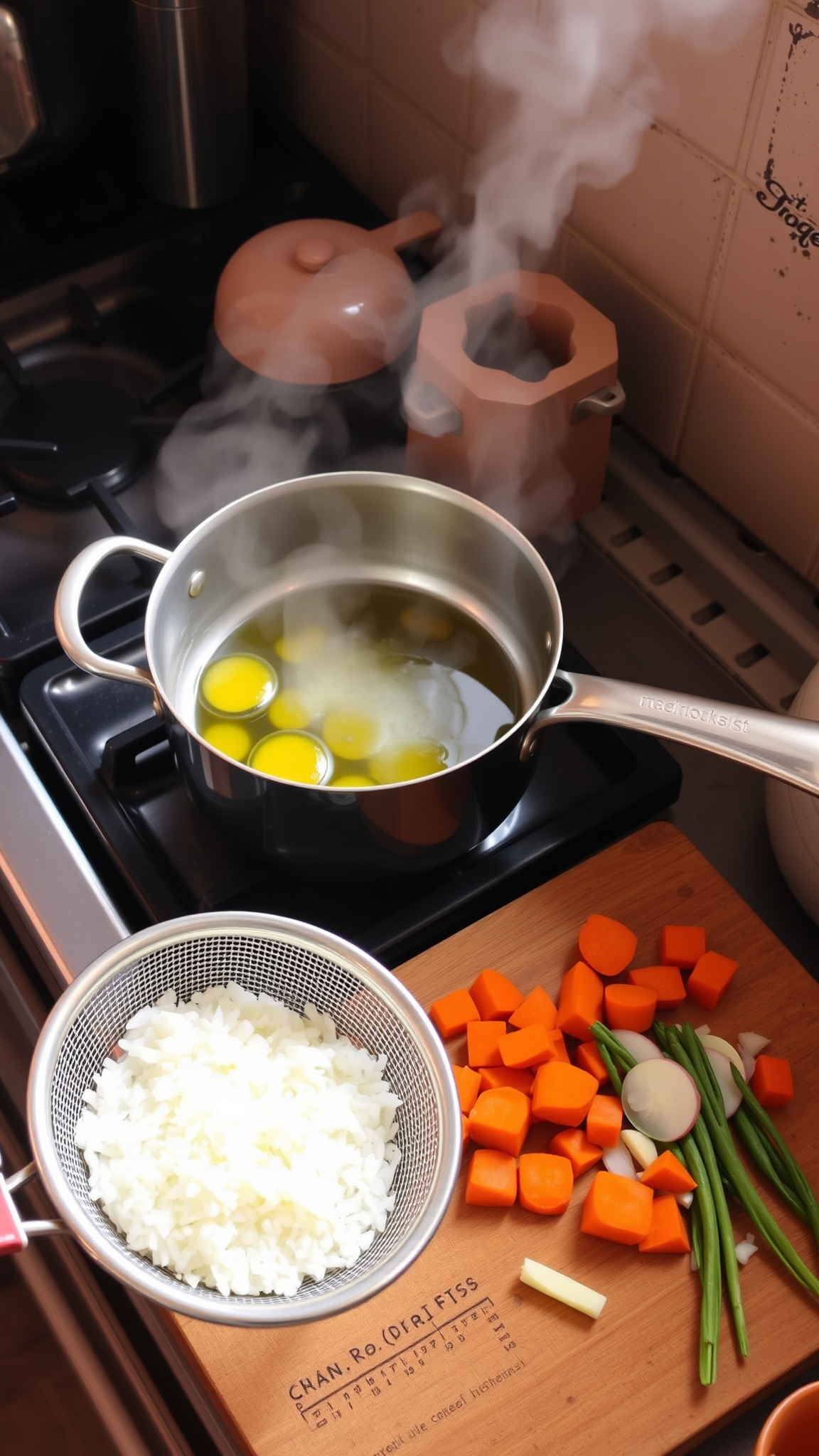
Place the rice in a fine sieve and rinse under cold water until the water runs mostly clear. This removes excess surface starch and helps the grains cook up light and separate rather than gummy.
Step 2: Sauté the Aromatics
Heat olive oil in a medium saucepan over medium heat. Add the chopped onion and cook for about 3 to 4 minutes, stirring often, until soft and translucent. Add the garlic and cook for another 30 seconds, just until fragrant.
Step 3: Add Vegetables and Spices
Stir in the diced carrot and cook for 2 minutes. If using spices like cumin or coriander, add them now and stir briefly to bloom their flavor in the oil.
Step 4: Toast the Rice
Add the rinsed rice directly to the pan. Stir continuously for about 1 minute so the grains are coated in oil and lightly toasted. This step adds a subtle nutty taste and improves texture.
Step 5: Simmer Gently
Pour in the broth or water, then add salt, pepper, and the bay leaf if using. Bring everything to a gentle boil, then reduce heat to low. Cover the pan and let it simmer until the liquid is absorbed and the rice is tender. This usually takes about 15 minutes for white rice or 35 to 40 minutes for brown rice.
Step 6: Add Peas and Rest
About 5 minutes before the rice is done, scatter the peas over the top. Cover again and continue cooking. Once finished, remove the pan from heat and let it sit, covered, for 5 minutes. This resting time allows the steam to finish cooking the grains evenly.
Step 7: Fluff and Finish
Remove the bay leaf. Use a fork to gently fluff the rice, lifting and separating the grains. Stir in fresh herbs if desired. Taste and adjust seasoning before serving.
Nutrition Facts (Approximate per Serving)
| Nutrient | Amount |
|---|---|
| Calories | 220 kcal |
| Carbohydrates | 38 g |
| Protein | 6 g |
| Fat | 6 g |
| Fiber | 5 g |
| Sodium | 280 mg |
Values will vary slightly depending on the type of rice and vegetables used.
Helpful Tips
For the best texture, keep the heat low once the liquid starts simmering. Rapid boiling can cause the rice to burst and turn mushy. Using a heavy-bottomed saucepan helps prevent scorching. If the rice seems dry before it’s fully tender, add a few tablespoons of hot water, cover, and continue cooking gently. Always fluff with a fork rather than a spoon to maintain separate grains.
Variations
This healthy rice pilaf is easy to customize. Swap brown rice for basmati or jasmine if you prefer a lighter grain. Add chopped bell peppers, zucchini, or mushrooms for more vegetables. For extra protein, stir in cooked chickpeas or lentils near the end. You can also change the flavor profile by using herbs like thyme or spices like turmeric for a warm, golden pilaf.
How to Serve
Serve this pilaf warm as a side dish with grilled chicken, baked fish, or roasted vegetables. It also works well as a base for grain bowls topped with greens and a simple yogurt sauce. For a light lunch, enjoy it on its own with a squeeze of lemon and a handful of fresh herbs.
Storage Instructions
Allow the rice pilaf to cool completely before storing. Transfer it to an airtight container and refrigerate for up to four days. To reheat, sprinkle with a little water and warm gently on the stovetop or in the microwave, stirring halfway through to distribute heat evenly.
FAQs
Can I make this recipe vegan?
Yes, the recipe is already vegan as long as you use vegetable broth instead of meat-based stock.
Is brown rice better than white rice for pilaf?
Brown rice offers more fiber and nutrients, making it a healthier option, though it does require a longer cooking time.
Can I freeze rice pilaf?
Yes, cooked rice pilaf freezes well. Store in freezer-safe containers for up to two months and thaw overnight in the refrigerator.
Why is my rice pilaf mushy?
Mushy pilaf usually comes from too much liquid or cooking at too high a heat. Measuring carefully and simmering gently helps prevent this.
Conclusion
This healthy rice pilaf recipe proves that nourishing food doesn’t need to be complicated or bland. With simple steps, everyday ingredients, and thoughtful seasoning, you get a dish that feels comforting while supporting balanced eating. Keep it classic or make it your own with vegetables and spices you love. Once it becomes part of your rotation, it’s hard to imagine meals without it.