
Healthy Authentic Palak Paneer Recipe (Restaurant-Style, Made Lighter at Home)
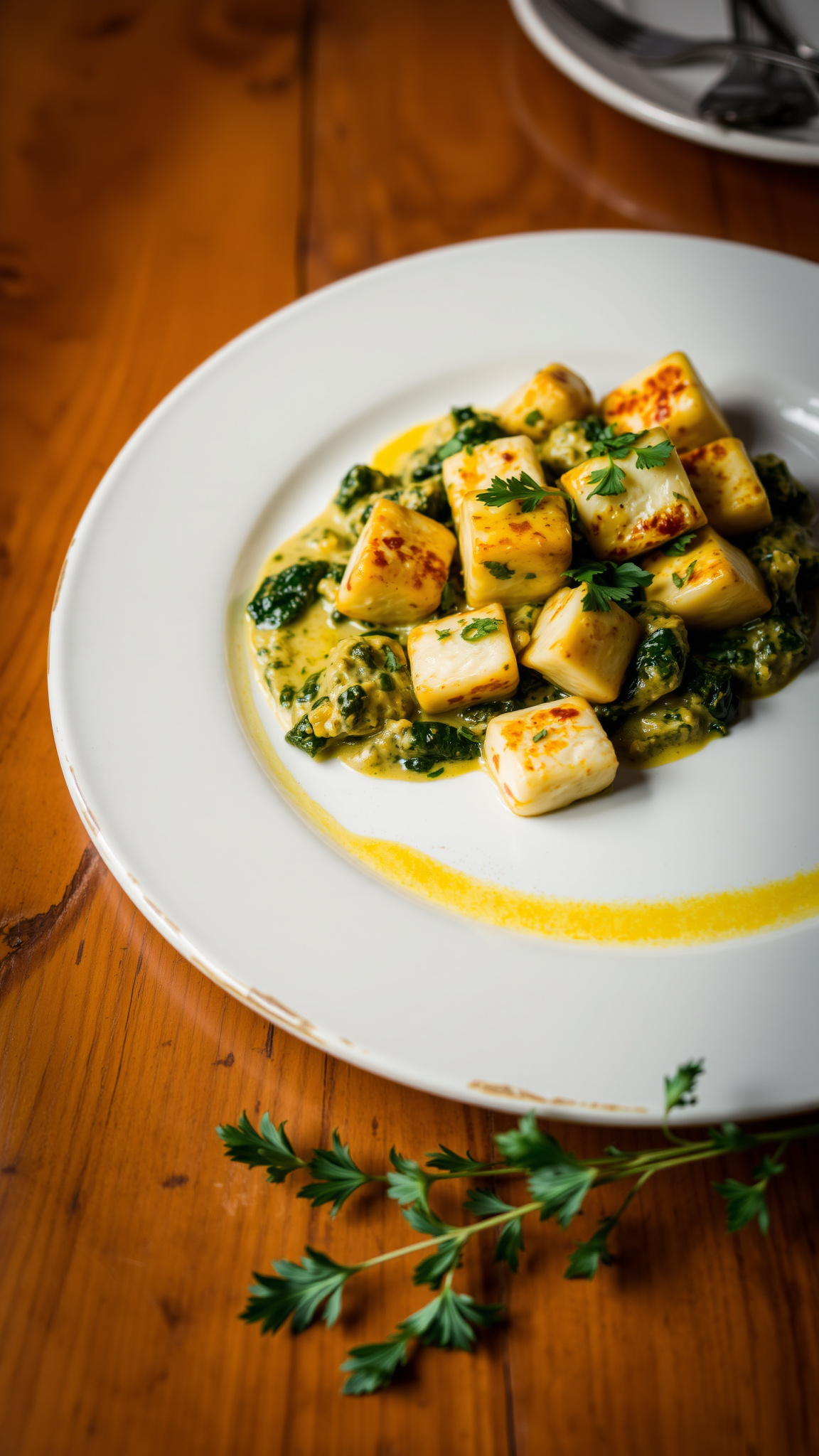
Palak paneer is one of those dishes that feels both comforting and nourishing. Made with fresh spinach and soft paneer cubes, it’s a classic North Indian recipe that balances flavor and nutrition beautifully. This healthy authentic palak paneer recipe stays true to traditional taste while using lighter cooking methods and controlled fats. The result is a creamy, vibrant green curry that feels satisfying without being heavy. It’s simple enough for home cooking and wholesome enough for regular meals.
Why You’ll Love This Recipe
You’ll love this recipe because it delivers real restaurant-style flavor without relying on excess butter or cream. The spinach base is naturally rich and smooth, so you don’t miss the heaviness. Paneer adds protein and makes the dish filling, while gentle spices keep the taste balanced instead of overpowering. It’s also a flexible recipe that works for weeknight dinners, meal prep, or even special occasions when you want something comforting yet healthy.
Ingredients List
For Blanching and Spinach Purée
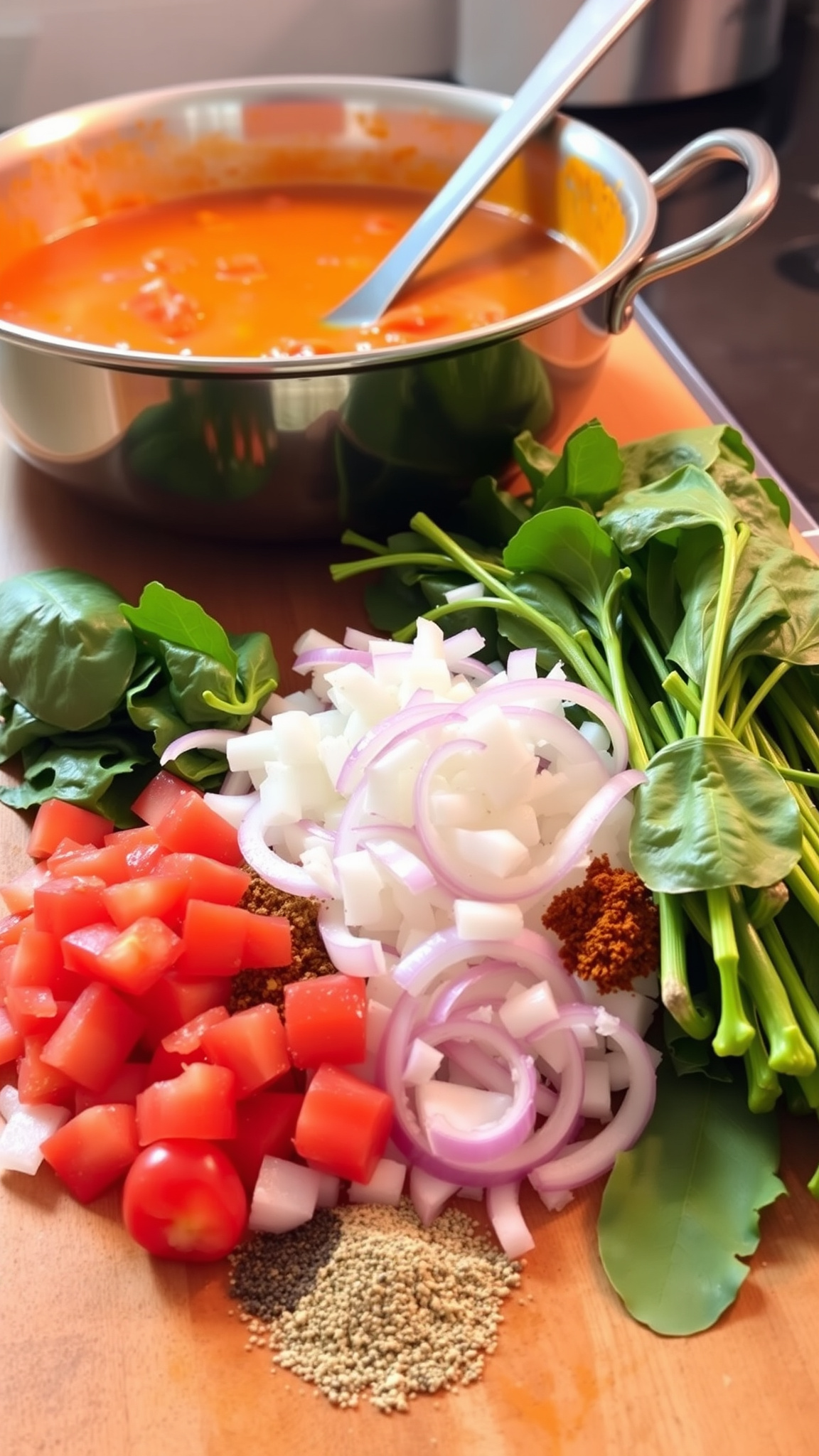
- Fresh spinach (palak): 500 grams
- Water: 4 cups
- Ice-cold water: 2 cups
For the Curry Base
- Paneer (fresh, cubed): 200 grams
- Onion (finely chopped): 1 medium (about 120 grams)
- Tomato (finely chopped): 1 medium (about 100 grams)
- Green chili (adjust to taste): 1 small
- Ginger (grated): 1 tablespoon
- Garlic (minced): 1 tablespoon
- Cumin seeds: 1 teaspoon
- Coriander powder: 1 teaspoon
- Garam masala: ½ teaspoon
- Turmeric powder: ¼ teaspoon
- Red chili powder: ¼ teaspoon
- Salt: ¾ teaspoon (or to taste)
- Cooking oil (preferably mustard or avocado oil): 1½ tablespoons
- Low-fat milk or cashew paste: 3 tablespoons
- Water (for consistency): ¼ cup
Optional Finishing
- Butter (optional): 1 teaspoon
- Lemon juice: 1 teaspoon
Step-by-Step Instructions
Step 1: Blanch the Spinach
Bring 4 cups of water to a boil in a large pot. Add the spinach and blanch for about 2 minutes until just wilted and bright green. Immediately transfer the spinach to ice-cold water to stop the cooking and preserve color. Drain well and blend into a smooth purée without adding water. Set aside.
Step 2: Prepare the Paneer
Cut the paneer into medium-sized cubes. If the paneer feels firm, soak it in warm water for 10 minutes, then drain. This keeps the paneer soft and tender in the curry.
Step 3: Build the Flavor Base
Heat 1½ tablespoons oil in a wide pan over medium heat. Add cumin seeds and let them crackle. Add chopped onions and sauté for 6–8 minutes until lightly golden. Stir frequently so they cook evenly without burning.
Step 4: Add Aromatics
Add ginger, garlic, and green chili to the onions. Cook for 1–2 minutes until the raw aroma disappears. Add chopped tomatoes and cook until soft and slightly glossy, about 5 minutes.
Step 5: Add Spices
Lower the heat and add turmeric, coriander powder, red chili powder, and salt. Stir well and cook for 30 seconds to bloom the spices without burning them.
Step 6: Add Spinach Purée
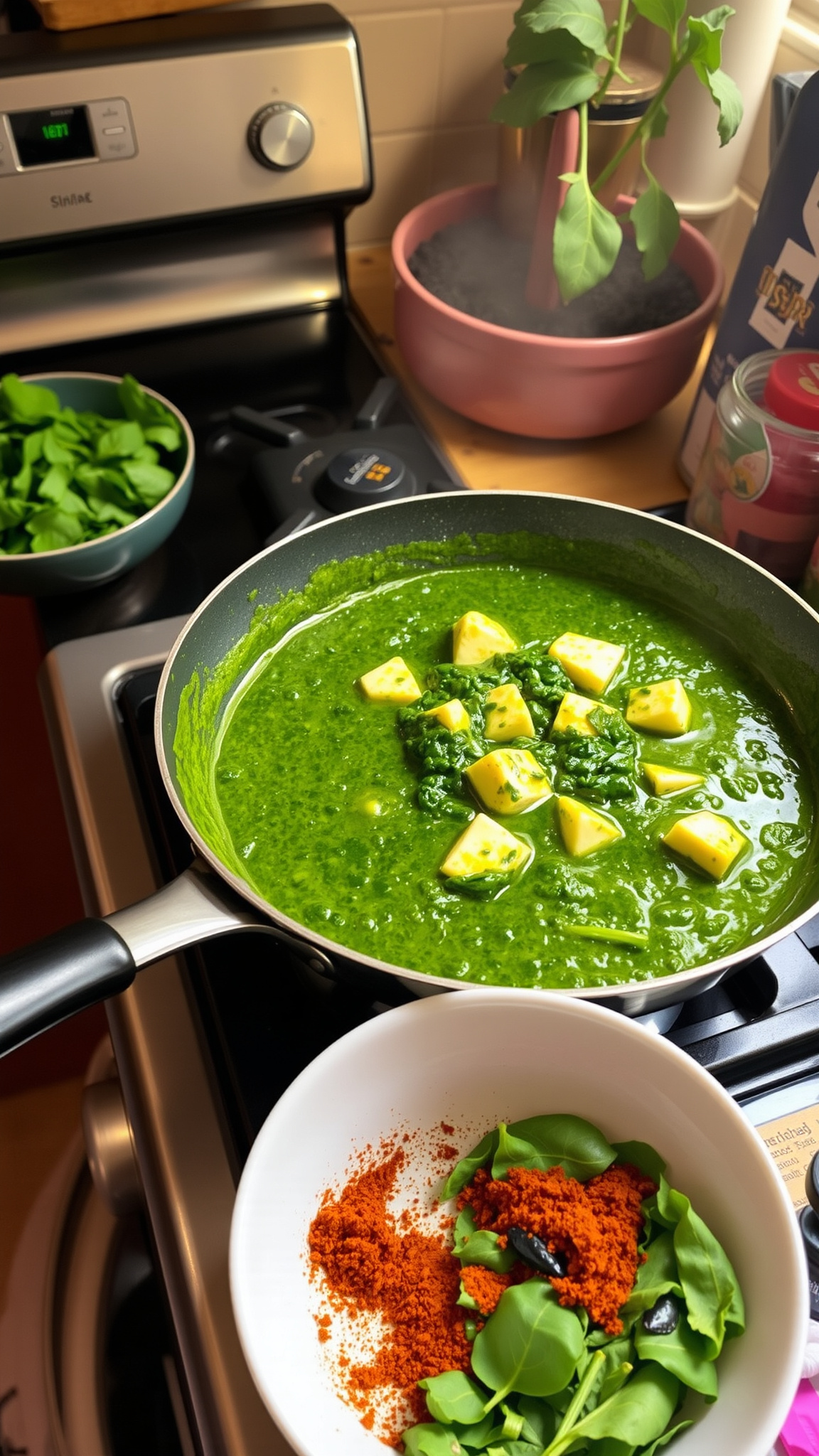
Pour the spinach purée into the pan and mix well with the spice base. Simmer on low heat for 5–7 minutes, stirring occasionally. The mixture should thicken slightly and turn a deep green color.
Step 7: Add Paneer
Gently add the paneer cubes and mix carefully so they don’t break. Add ¼ cup water if needed to adjust consistency. Simmer for another 5 minutes.
Step 8: Finish the Curry
Stir in low-fat milk or cashew paste for mild creaminess. Add garam masala and optional butter if using. Turn off the heat and finish with lemon juice for brightness.
Nutrition Facts (Approximate, Per Serving)
| Nutrient | Amount |
|---|---|
| Calories | 260 kcal |
| Protein | 14 g |
| Carbohydrates | 12 g |
| Fat | 17 g |
| Fiber | 4 g |
| Calcium | 280 mg |
| Iron | 3.5 mg |
Helpful Tips
Always blanch spinach briefly and cool it quickly to keep the green color fresh and avoid bitterness. Avoid overcooking the spinach purée once it’s added to the pan, as long cooking dulls both color and nutrients. Use fresh paneer whenever possible, as it absorbs flavors better. Keep the heat low after adding spices and spinach to maintain a smooth, balanced taste without separation.
Variations
Vegan Palak Paneer
Replace paneer with firm tofu (200 grams) and use cashew paste instead of milk. Pan-sear the tofu lightly before adding for better texture.
Extra Protein Version
Add 2 tablespoons of soaked and blended white lentils to the spinach purée for added protein and thickness.
No Onion No Garlic Version
Skip onion and garlic, and increase ginger slightly. Add a pinch of asafoetida (hing) with cumin seeds for depth.
How to Serve
Palak paneer pairs best with warm whole wheat roti, phulka, or plain paratha. It also works well with steamed basmati rice or jeera rice for a complete meal. For a lighter plate, serve it with a side of cucumber salad and plain yogurt. The smooth texture and mild spices make it suitable for both lunch and dinner.
Storage Instructions
Let the palak paneer cool completely before storing. Transfer to an airtight container and refrigerate for up to 3 days. Reheat gently on low heat, adding a few tablespoons of water or milk to loosen the consistency. Avoid reheating multiple times, as spinach can lose flavor and texture.
FAQs
Is palak paneer healthy?
Yes, palak paneer is rich in iron, calcium, and protein. Using less oil and minimal cream makes it a balanced, nutritious dish.
Why does my palak paneer taste bitter?
Overcooking spinach or using mature spinach leaves can cause bitterness. Quick blanching and fresh leaves help prevent this.
Can I freeze palak paneer?
It’s better not to freeze, as spinach and paneer textures change after thawing. Fresh preparation gives the best taste.
Can I skip cream entirely?
Yes, the dish will still be flavorful. Cashew paste or milk is optional and only adds mild richness.
Conclusion
This healthy authentic palak paneer recipe proves that traditional Indian food can be both flavorful and nourishing. By focusing on fresh spinach, gentle spices, and mindful cooking, you get a dish that feels comforting without being heavy. It’s a recipe you can trust for everyday meals, family dinners, or when you want something wholesome yet satisfying. Once you try it, it’s likely to become a regular part of your home cooking rotation.