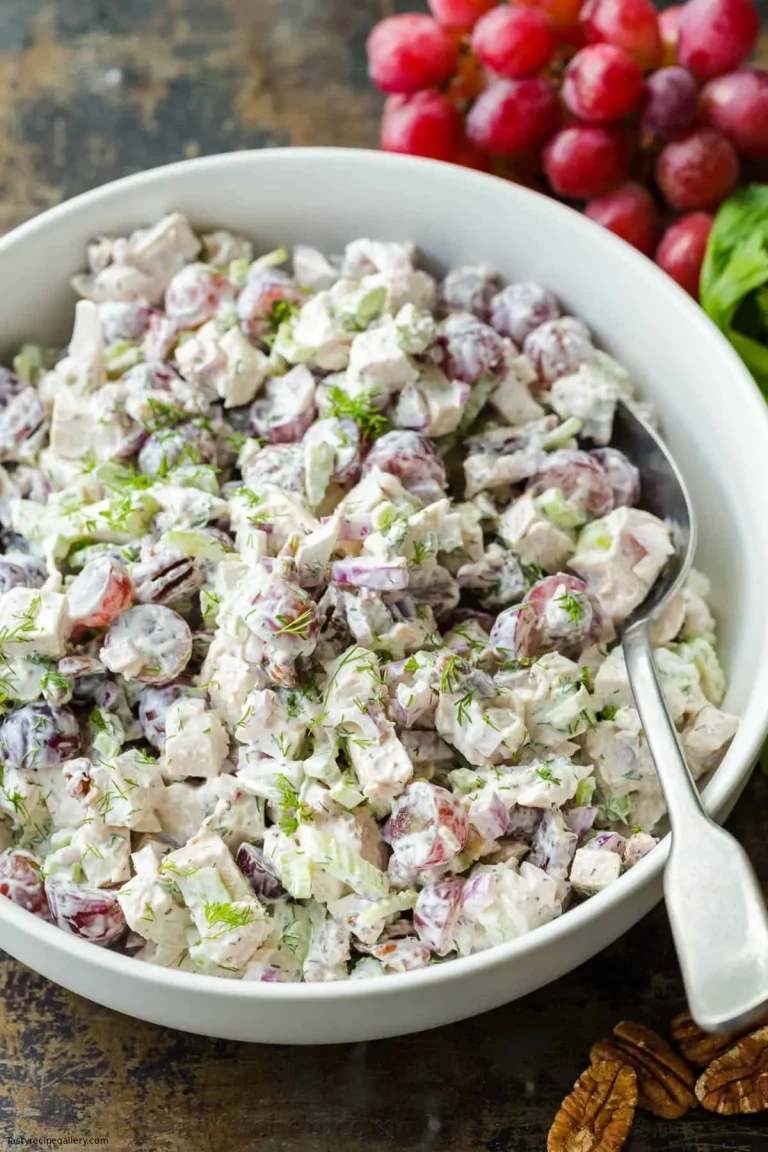
German Potato Pancakes (Authentic Kartoffelpuffer Recipe)
Golden, crispy on the outside, and tender inside, German potato pancakes—also known as Kartoffelpuffer or Reibekuchen—are a timeless comfort food. Made with simple pantry ingredients, they’re pan-fried to perfection and enjoyed across generations. Whether served savory or slightly sweet, this traditional recipe brings rustic German flavors straight to your kitchen without complicated steps or hard-to-find items.
Why You Will Love This Recipe
This recipe delivers exactly what people expect from authentic German potato pancakes. The texture is spot-on: crisp edges with a soft, potato-rich center. The ingredients are basic and affordable, yet the flavor feels special. It works for breakfast, lunch, dinner, or even as a snack. You can customize it easily, make it gluten-free, or adjust seasoning without losing authenticity. Most importantly, the method is reliable, so you get consistent results every time, even if you’re making potato pancakes for the first time.

Ingredients List
Main Ingredients
- Potatoes (russet or starchy potatoes) – 2.5 lb (about 1.2 kg)
- Onion – 1 medium, finely grated
- Eggs – 2 large
- All-purpose flour – 3 tablespoons
- Salt – 1½ teaspoons (adjust to taste)
- Black pepper – ½ teaspoon
For Frying
- Neutral oil (sunflower, canola, or vegetable oil) – about ½ cup
Optional Add-ins
- Nutmeg – a pinch
- Garlic powder – ¼ teaspoon

Step-by-Step Instructions
Step 1: Prepare the Potatoes
Peel the potatoes and rinse them under cold water. Grate them using the fine side of a box grater or a food processor. Work quickly to prevent discoloration.
Step 2: Remove Excess Moisture
Transfer the grated potatoes to a clean kitchen towel or cheesecloth. Twist and squeeze firmly over the sink to remove as much liquid as possible. This step is critical for crispy pancakes.
Step 3: Grate the Onion
Finely grate the onion and add it directly to the squeezed potatoes. Mixing them immediately helps slow browning and adds moisture back in a controlled way.
Step 4: Mix the Batter
Add eggs, flour, salt, black pepper, and optional spices to the potato mixture. Stir until everything is evenly combined. The mixture should hold together but not feel wet.
Step 5: Heat the Oil
Heat a large skillet over medium-high heat. Add enough oil to coat the bottom generously. The oil should be hot but not smoking.
Step 6: Fry the Pancakes
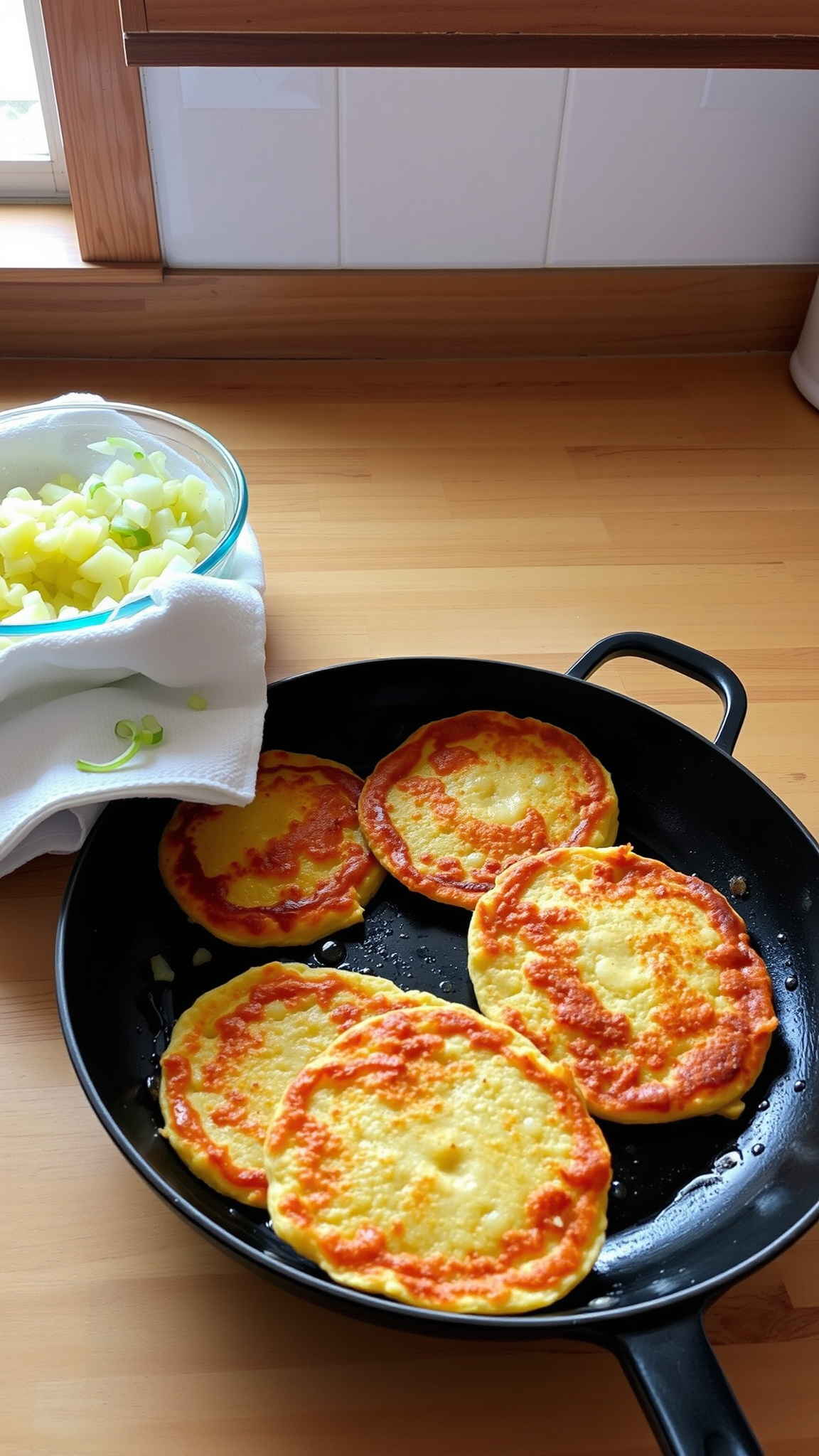
Scoop about ¼ cup of the mixture into the pan and gently flatten it with a spatula. Fry for 3–4 minutes per side until deep golden brown and crisp.
Step 7: Drain and Repeat
Transfer cooked pancakes to a plate lined with paper towels. Continue frying in batches, adding more oil as needed.
Step 8: Serve Immediately
German potato pancakes are best enjoyed hot while the exterior stays crisp.
Nutrition Facts (Approximate Per Serving)
| Nutrient | Amount |
|---|---|
| Calories | 210 kcal |
| Carbohydrates | 28 g |
| Protein | 5 g |
| Fat | 9 g |
| Saturated Fat | 1.5 g |
| Fiber | 3 g |
| Sodium | 320 mg |
Values may vary depending on oil absorption and portion size.
Helpful Tips
Always use starchy potatoes, as waxy varieties hold too much moisture and won’t crisp well. Removing liquid from the potatoes is the single most important step, so don’t rush it. Fry in shallow oil rather than deep oil to keep the pancakes crisp without becoming greasy. Keep the heat steady; oil that’s too hot burns the outside before the inside cooks, while low heat makes them soggy. If cooking for a crowd, keep finished pancakes warm in a low oven until ready to serve.
Variations
Classic Sweet-Style
Reduce the salt slightly and serve with applesauce or a light dusting of sugar, which is common in some regions.
Herb Potato Pancakes
Add finely chopped parsley or chives for a fresh, savory twist.
Gluten-Free Option
Replace flour with potato starch or cornstarch in the same quantity.
Extra Crispy Version
Add one extra tablespoon of flour and make thinner pancakes.
Cheese-Enhanced Pancakes
Mix in ½ cup finely grated mild cheese for a richer flavor.
How to Serve
German potato pancakes can be served in many ways. Traditionally, they’re paired with applesauce, sour cream, or plain yogurt. For savory meals, serve them alongside sausages, eggs, or a fresh green salad. They also work well as a side dish for roasted meats or vegetables. For casual meals, they’re satisfying on their own with a simple dip.
Storage Instructions
Potato pancakes taste best fresh, but leftovers can be stored. Let them cool completely, then refrigerate in an airtight container for up to 3 days. Reheat in a skillet or oven to restore crispness. Avoid microwaving, as it softens the texture. You can freeze cooked pancakes for up to 2 months; reheat directly from frozen in the oven.
FAQs
Why are my potato pancakes soggy?
Too much moisture in the potatoes or oil that isn’t hot enough usually causes sogginess.
Can I make the batter ahead of time?
It’s not recommended, as potatoes release liquid over time and darken.
What oil works best for frying?
Neutral oils with a high smoke point, such as sunflower or canola oil, work best.
Can I bake them instead of frying?
Baking is possible, but the texture will be less crisp compared to pan-frying.
Do I need flour at all?
A small amount helps bind the mixture, but it can be replaced with starch if needed.
Conclusion
German potato pancakes are a perfect example of how simple ingredients can create something truly special. With the right technique and a little patience, you can achieve crispy, golden pancakes that honor traditional flavors while fitting easily into modern home cooking. Whether served sweet or savory, fresh or reheated, this recipe offers dependable results and authentic taste every time.