
Easy Focaccia Bread Recipe for Soft, Golden, Bakery-Style Results at Home
Fresh bread has a way of slowing everything down. The warm smell in the kitchen, the crackle of olive oil on the crust, and that first soft bite always feel like a small win. This easy focaccia bread recipe is one I keep coming back to when I want something comforting but simple. It doesn’t need fancy skills or long kneading sessions. With a few pantry basics and a little patience, you’ll get a fluffy, golden focaccia that tastes like it came straight from an Italian bakery.
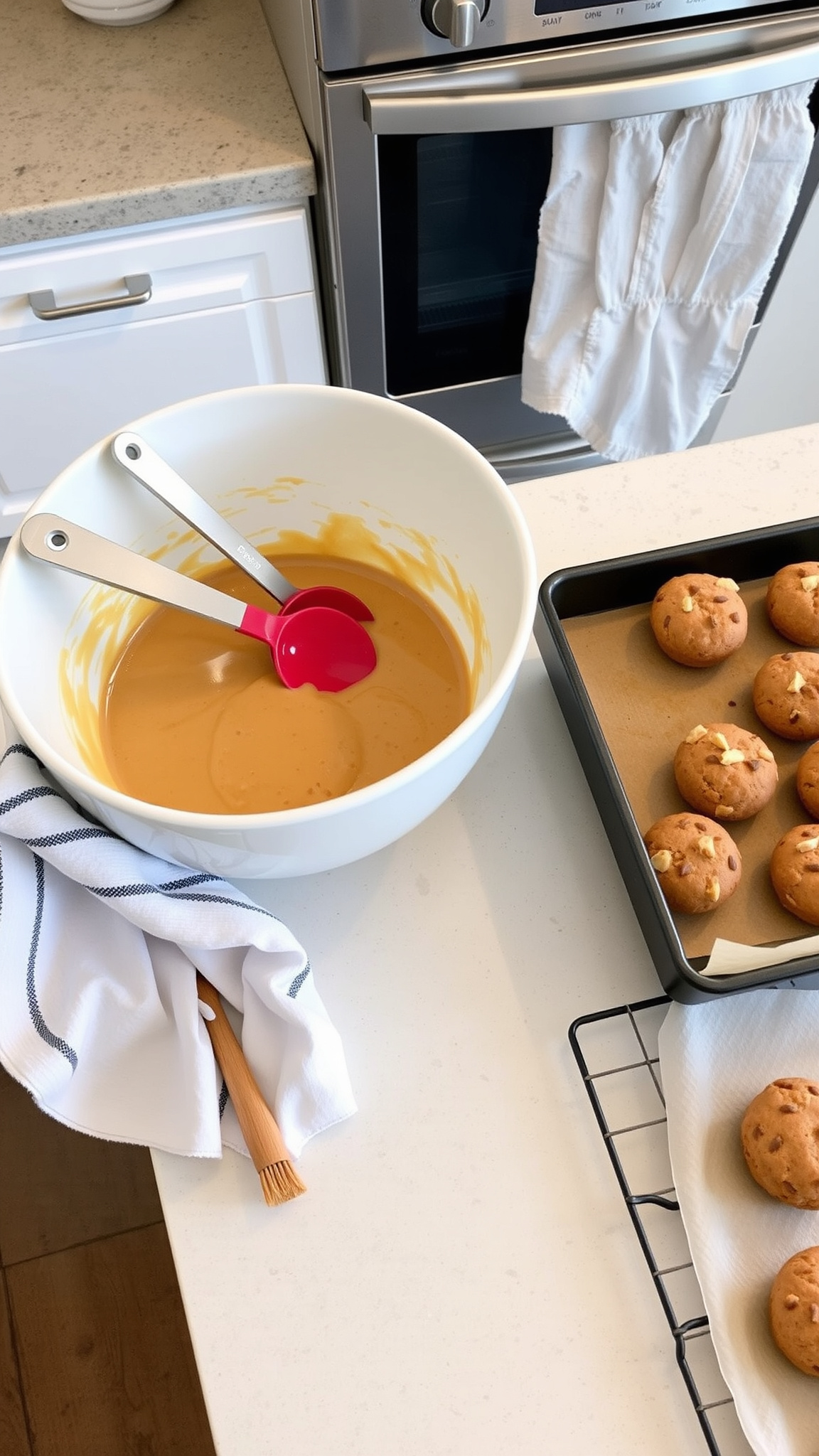
Tools Used in Making This Recipe
- Large mixing bowl
- Measuring cups and measuring spoons
- Wooden spoon or silicone spatula
- Kitchen towel or plastic wrap
- Baking pan (9×13 inch works well)
- Parchment paper (optional but helpful)
- Oven
- Cooling rack
- Pastry brush or spoon for olive oil
Ingredients List
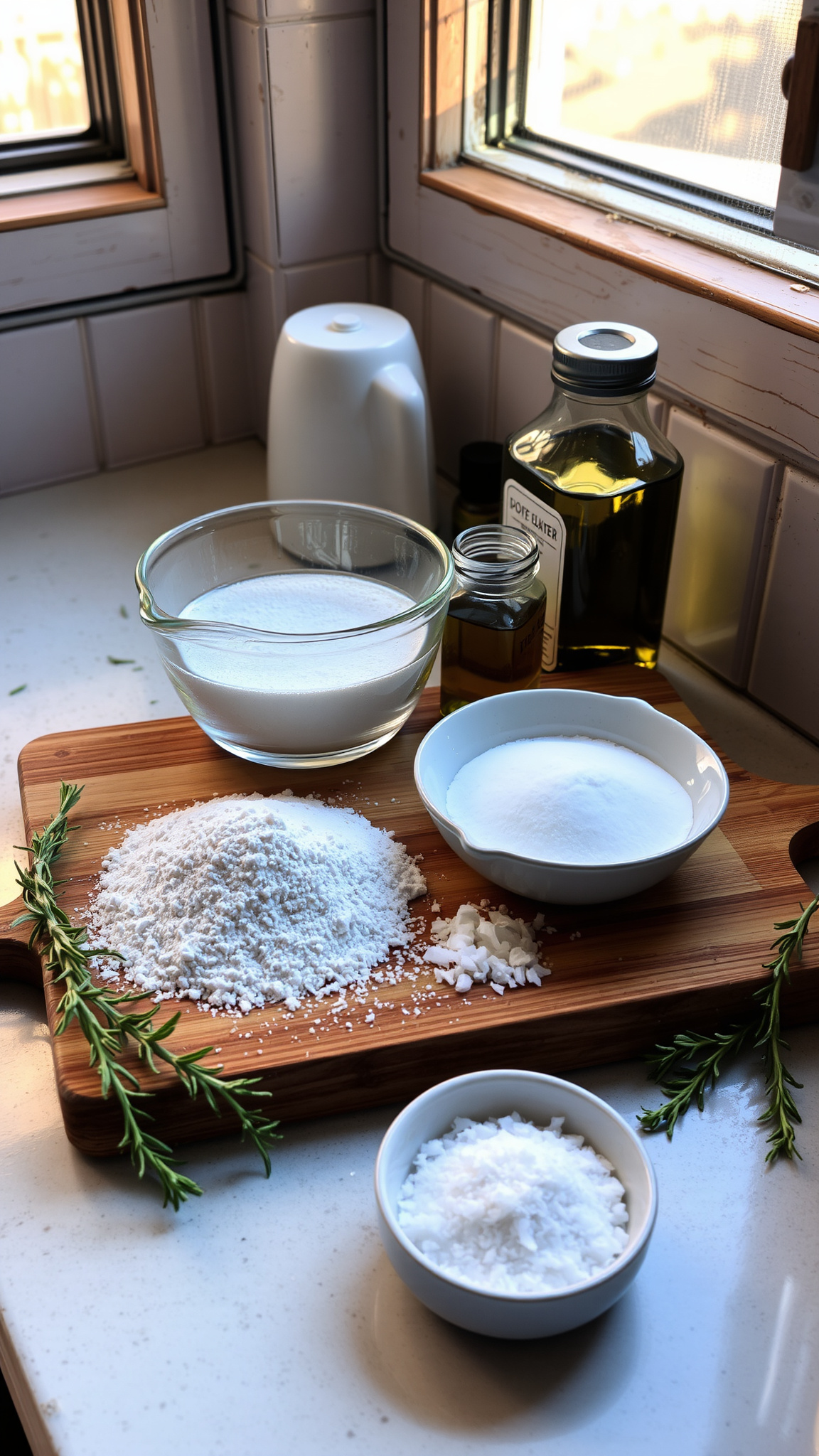
- 2¼ teaspoons active dry yeast (1 standard packet)
- 1¼ cups warm water (about 105–110°F)
- 1 teaspoon granulated sugar
- 3½ cups all-purpose flour
- 1½ teaspoons salt
- ¼ cup olive oil, plus extra for greasing and topping
- 1 tablespoon flaky sea salt or coarse salt
- 1 teaspoon dried rosemary or fresh chopped rosemary (optional)
Step-by-Step Instructions
Step 1: Activate the Yeast
In a large bowl, combine warm water, sugar, and yeast. Stir gently and let it sit for 5 to 10 minutes. The mixture should become foamy on top. If it doesn’t bubble, the yeast may be old or the water too hot or cold.
Step 2: Mix the Dough
Add flour, salt, and olive oil to the yeast mixture. Stir until a sticky dough forms. The dough will look loose and slightly wet, which is perfect for soft focaccia texture.
Step 3: First Rise
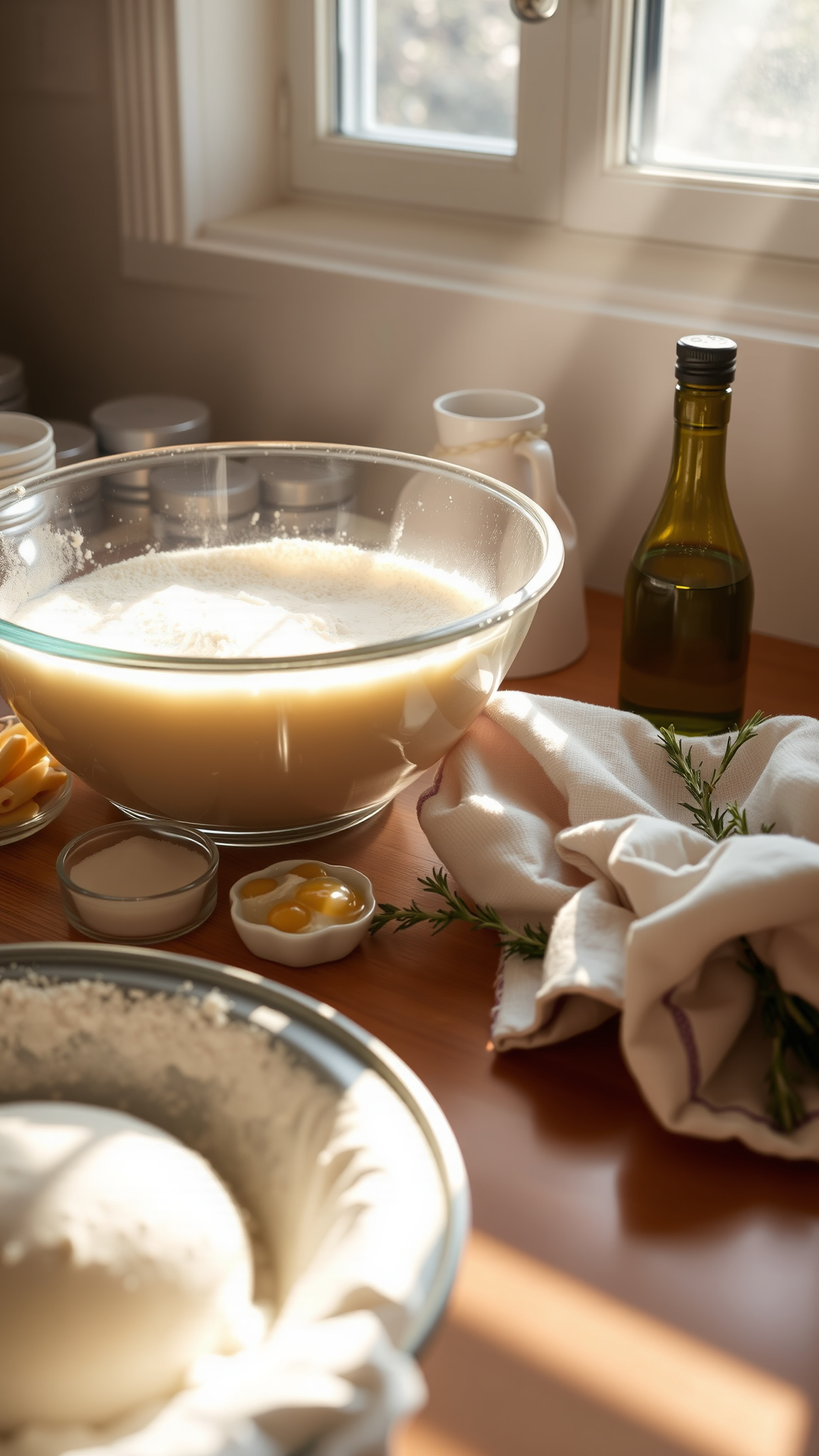
Cover the bowl with a clean kitchen towel or plastic wrap. Place it in a warm spot for about 60 to 90 minutes, or until the dough doubles in size.
Step 4: Prepare the Pan
Grease your baking pan generously with olive oil. You can line it with parchment paper if you want easier removal.
Step 5: Shape the Dough
Transfer the risen dough into the pan. Use oiled fingers to gently stretch it toward the edges. Don’t worry if it shrinks back slightly. Let it rest for 10 minutes and stretch again if needed.
Step 6: Second Rise
Cover the pan and let the dough rise for another 20 to 30 minutes. It should puff up slightly and look airy.
Step 7: Create the Signature Dimples
Drizzle olive oil over the surface. Press your fingertips into the dough to make deep dimples all over. Sprinkle with rosemary and flaky salt.
Step 8: Bake
Preheat the oven to 400°F (200°C). Bake for 20 to 25 minutes until the top is golden brown and the edges are crisp.
Step 9: Cool and Serve
Remove the focaccia from the oven and let it cool slightly on a rack before slicing. Brush with a little more olive oil if desired for extra shine and flavor.
Nutrition Facts (Per Slice Approximate)
| Nutrient | Amount |
|---|---|
| Calories | 210 |
| Carbohydrates | 30 g |
| Protein | 5 g |
| Fat | 8 g |
| Saturated Fat | 1.2 g |
| Sodium | 380 mg |
| Fiber | 1.5 g |
| Sugar | 1 g |
Values may vary based on portion size and ingredients used.
Helpful Tips
Use warm, not hot water, to activate the yeast properly. If the water feels comfortable to your finger, it’s usually just right. A slightly sticky dough creates a lighter crumb, so avoid adding extra flour unless the dough is impossible to handle. Olive oil quality matters here since it adds flavor directly to the bread. Letting the dough rise fully gives the focaccia its airy texture and soft interior. If your kitchen is cool, placing the bowl near a warm window or oven helps speed up rising.
Variations
You can easily customize this focaccia bread recipe. Add sliced cherry tomatoes, olives, or caramelized onions on top before baking for extra flavor. Garlic lovers can brush the baked bread with garlic-infused olive oil. For a cheesy version, sprinkle shredded mozzarella or parmesan during the last five minutes of baking. Whole wheat flour can replace up to one cup of all-purpose flour for a heartier texture. Herb blends like thyme, oregano, or basil also work well.
How to Serve
Focaccia is incredibly versatile. Serve it warm as a side with soups, salads, or pasta dishes. Slice it horizontally to make sandwich bread for grilled vegetables, chicken, or deli meats. It also works well as a base for flatbread pizza with simple toppings. Dipping slices into olive oil and balsamic vinegar makes an easy appetizer that feels special without much effort.
Storage Instructions
Allow the bread to cool completely before storing. Keep focaccia in an airtight container or wrapped tightly at room temperature for up to two days. For longer storage, refrigerate for up to five days, though the texture may firm slightly. To freeze, wrap individual slices tightly and store for up to two months. Reheat in the oven or toaster to bring back softness and warmth.
Frequently Asked Questions
Why is my focaccia dense instead of fluffy?
Dense bread usually means the dough didn’t rise enough or the yeast wasn’t active. Make sure the yeast foams before mixing and allow enough rising time in a warm environment.
Can I make focaccia without a stand mixer?
Yes. This recipe is designed for hand mixing. A wooden spoon or spatula works perfectly.
Can I prepare the dough ahead of time?
You can refrigerate the dough after the first rise for up to 24 hours. Bring it to room temperature before shaping and baking.
What pan size works best?
A 9×13 inch pan creates a medium thickness focaccia. A larger pan will make thinner bread with more crisp edges.
How do I keep focaccia soft after baking?
Brushing with olive oil and storing it properly helps maintain moisture. Reheating briefly also restores softness.
Conclusion
This easy focaccia bread recipe proves that homemade bread doesn’t have to be complicated. With simple ingredients, clear steps, and a little patience, you can bake soft, flavorful focaccia right in your own kitchen. Whether you serve it as a side, sandwich base, or snack, it delivers comfort and freshness every time. Once you try it, it’s likely to become a regular favorite in your baking routine.


