
cinnamon roll with box cake
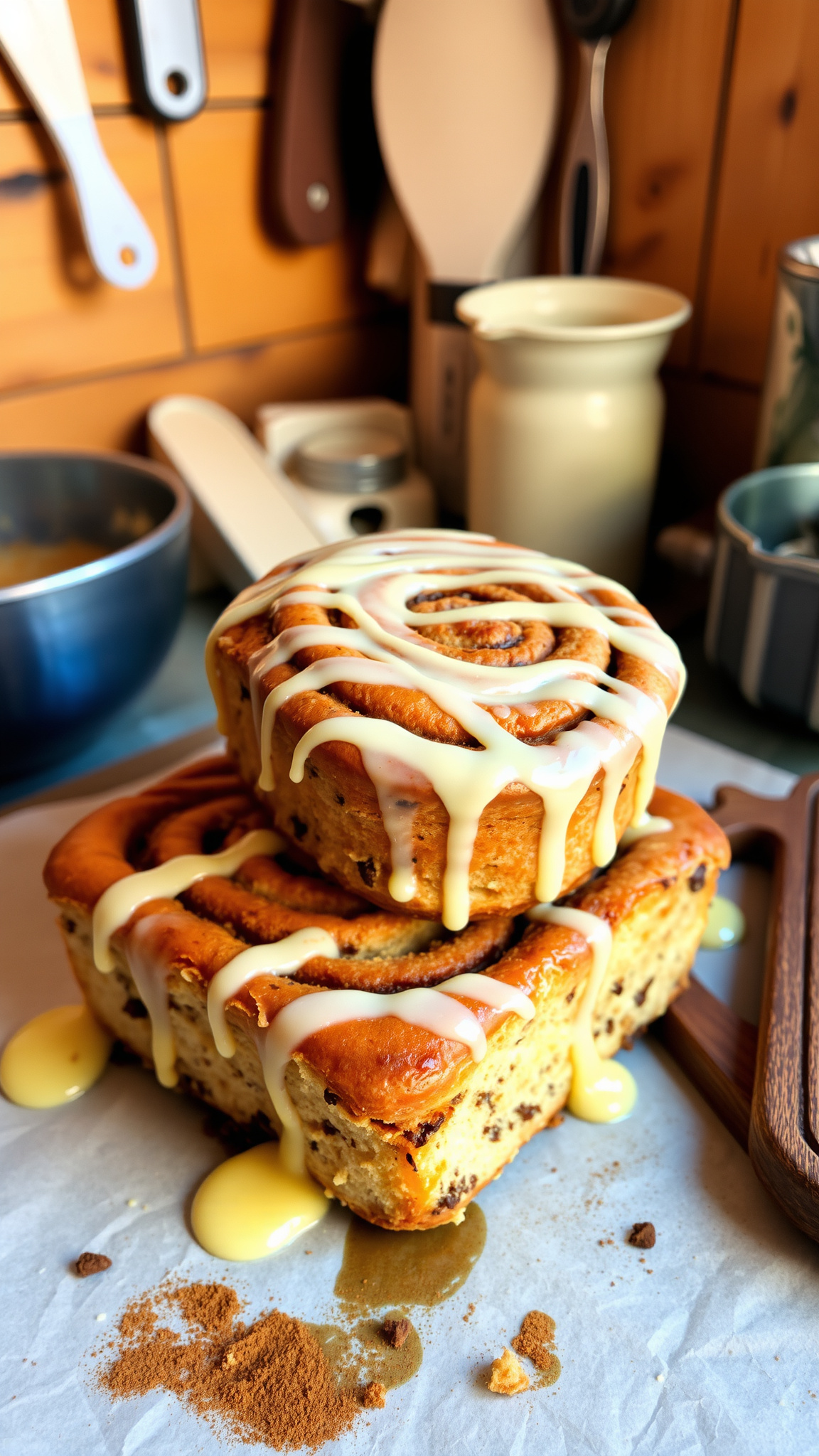
There is something undeniably comforting about the smell of cinnamon rolls baking in the oven, but let’s be honest—dealing with yeast, kneading dough, and waiting for multiple rises is not always on the schedule. This cinnamon roll cake offers the perfect compromise. By starting with a simple yellow cake mix and “doctoring” it with rich ingredients and a buttery brown sugar swirl, you get all the gooey, aromatic satisfaction of a cinnamon bun with the ease of a quick bread. It is tender, moist, and finished with a classic cream cheese glaze that seeps into every cranny.
Why This Semi-Homemade Method Works
If you are skeptical about using a boxed mix, put those worries aside. This recipe isn’t just about saving time; it is about guaranteeing a soft crumb every single time.
- Zero Yeast Required: You get the flavor profile of a bakery-style cinnamon roll without the fear of killing the yeast or proving dough.
- Moist Texture: By adding sour cream and extra butter to the mix, we transform a standard, airy box cake into something denser and richer, similar to a coffee cake.
- Perfect for Crowds: Unlike individual rolls which are limited by pan size, a 9×13 sheet cake feeds a large group easily and travels well for potlucks.
Ingredients Checklist
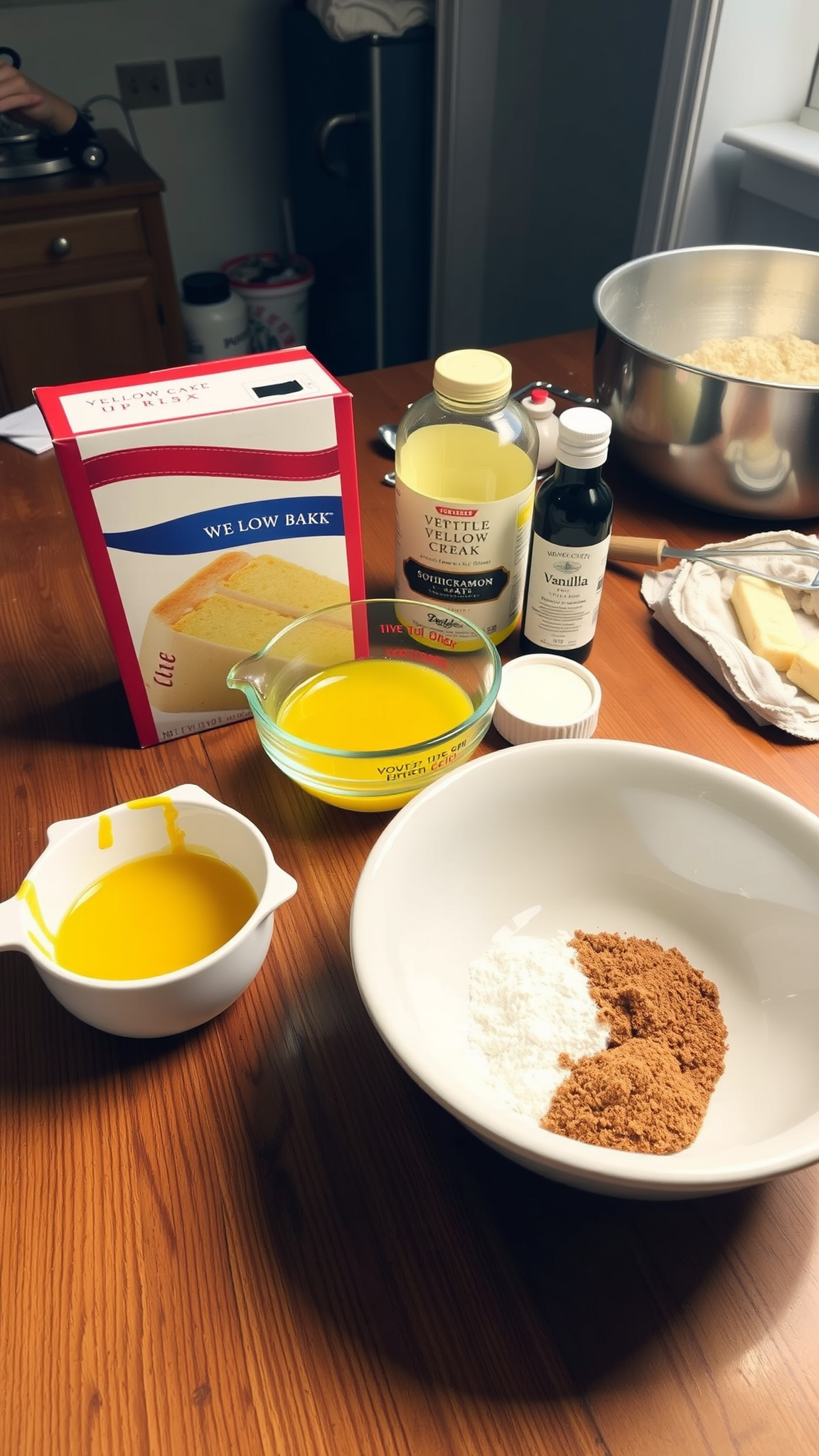
To get that homemade taste, we ignore the instructions on the back of the box and use this specific lineup.
For the Cake Base
- 1 box (15.25 oz) Yellow Cake Mix: Do not prepare it yet. You just need the dry powder. Brands like Duncan Hines or Betty Crocker work perfectly.
- 4 Large Eggs: These provide structure and richness. Room temperature eggs incorporate better into the batter.
- ¾ cup Vegetable Oil: Keeps the cake incredibly moist for days. You can substitute melted coconut oil if preferred, though it may add a slight flavor.
- 1 cup Sour Cream: The secret weapon. The acidity tenderizes the gluten, and the fat content creates a dense, luxurious crumb. Full-fat Greek yogurt is a viable substitute.
- 1 teaspoon Pure Vanilla Extract: Enhances the buttery notes.
For the Cinnamon Swirl
- 1 cup Unsalted Butter, melted: Divided use. You will mix this with sugar rather than putting it in the cake batter.
- 1 cup Light Brown Sugar, packed: Light brown sugar has the right amount of molasses flavor without overpowering the cinnamon.
- 1 tablespoon Ground Cinnamon: Use a high-quality cinnamon if possible for the best aromatic punch.
For the Cream Cheese Glaze
- 2 cups Powdered Sugar (Confectioners’ Sugar): Sift it if it looks lumpy to ensure a smooth glaze.
- 4 tablespoons Milk: Whole milk adds creaminess, but 2% works in a pinch.
- 1 teaspoon Pure Vanilla Extract: Essential for that classic icing taste.
- 3 oz Cream Cheese, softened: This cuts the sweetness and mimics the frosting found on traditional mall-food-court cinnamon rolls.
Step-by-Step Baking Instructions
Phase 1: Preparation
Preheat your oven to 350°F (175°C). Grease a 9×13-inch baking pan generously with non-stick cooking spray or butter. If you plan to lift the cake out whole, line the pan with parchment paper.
Phase 2: Mixing the Cake Batter
In a large mixing bowl or stand mixer, combine the dry yellow cake mix, eggs, vegetable oil, sour cream, and vanilla extract. Beat on medium speed for about two minutes. You are looking for a smooth, uniform consistency. The batter will be thicker than a standard cake batter—this is normal. Do not overmix, or the cake may become tough.
Phase 3: Creating the Cinnamon Swirl
In a separate small bowl, whisk together the melted butter, packed brown sugar, and ground cinnamon until it forms a thick, sandy liquid.
Phase 4: Layering and Swirling
Pour the cake batter into your prepared pan and use a spatula to spread it out into an even layer. It might be sticky, so take your time.
Next, drop spoonfuls of the cinnamon-butter mixture all over the top of the batter. Take a butter knife or a skewer and drag it through the batter in a swirling motion. Go lengthwise and then crosswise to marble the cinnamon into the cake. Crucial Tip: Do not over-swirl to the point where the colors blend completely; you want distinct ribbons of cinnamon.
Phase 5: The Bake
Place the pan in the preheated oven. Bake for 30 to 35 minutes. You are looking for the cake to be golden brown and for a toothpick inserted into the center (avoiding a cinnamon pocket) to come out clean or with just a few moist crumbs.
Phase 6: The Glaze
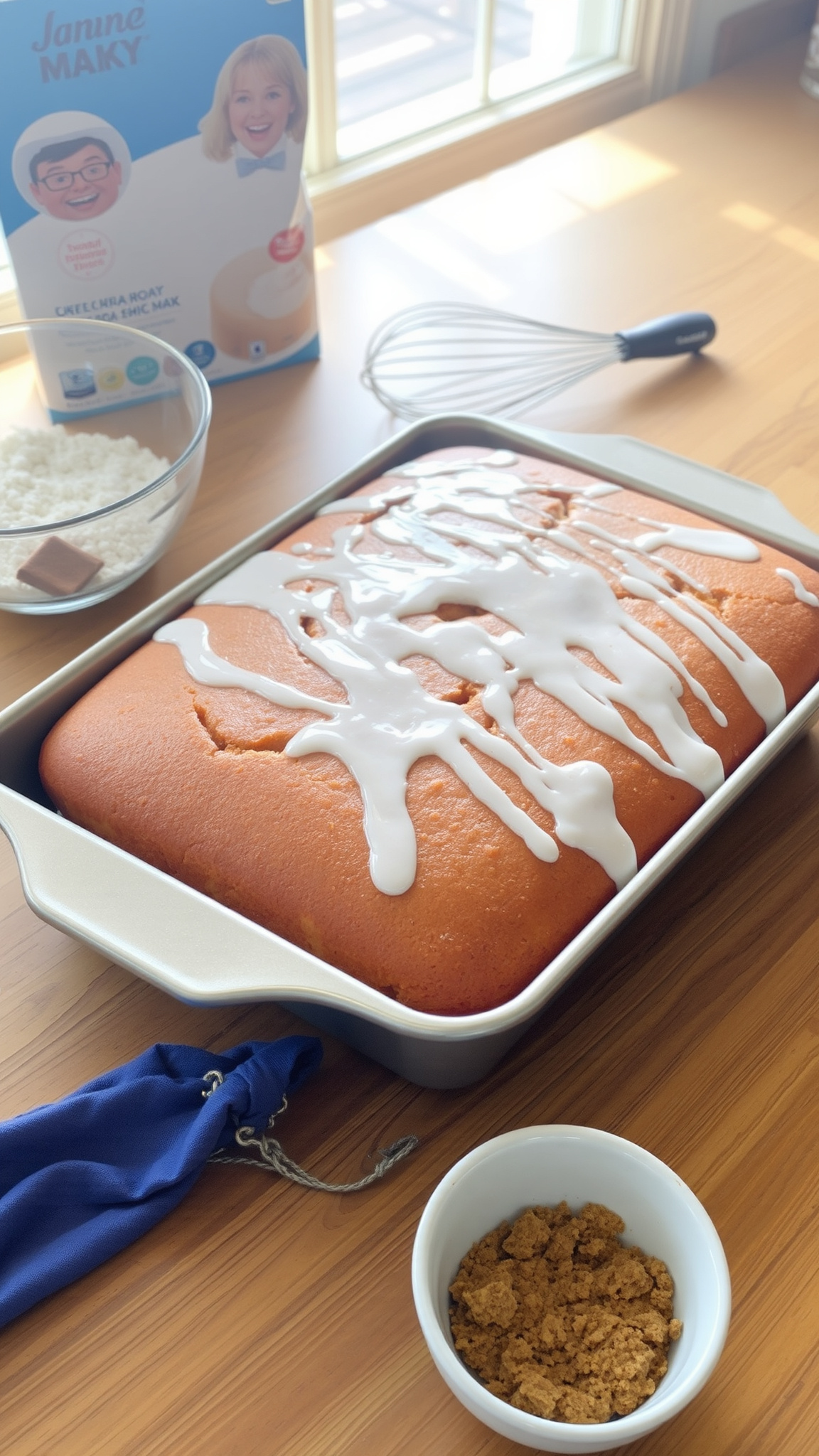
While the cake is still warm (but not piping hot), prepare the glaze. Whisk together the powdered sugar, milk, vanilla, and softened cream cheese until smooth and pourable. Drizzle this generously over the warm cake. Glazing while warm allows the icing to slightly melt and soak into the top layer, creating a sticky, delicious crust.
Nutrition Facts (Estimated)
Values are per serving, based on cutting the 9×13 cake into 18 squares.
| Nutrient | Amount per Serving |
| Calories | 340 kcal |
| Total Fat | 18g |
| Saturated Fat | 8g |
| Cholesterol | 55mg |
| Sodium | 280mg |
| Carbohydrates | 42g |
| Sugars | 29g |
| Protein | 3g |
Expert Tips for the Best Results
Room Temperature Ingredients are Key
Ensure your eggs, sour cream, and cream cheese are at room temperature before you start. Cold ingredients do not emulsify easily, which can lead to a lumpy batter or a glaze that breaks.
Don’t Over-Bake
Box mix cakes can dry out if left too long. Start checking the cake at the 28-minute mark. The center should spring back lightly when pressed.
The “Sink” Factor
Sometimes, the heavy cinnamon sugar mixture can sink to the bottom if the batter is too thin. This is why we add sour cream—to thicken the batter and suspend that heavy sugar swirl. If you find your swirl sinking, try layering half the batter, adding half the swirl, then topping with the rest of the batter and swirl mix.
Sifting the Sugar
For the glaze, sifting the powdered sugar is strictly recommended. Tiny lumps of sugar are very difficult to whisk out once liquid is added and can ruin the silky texture of your icing.
Variations
Apple Cinnamon Roll Cake
Peel and chop two Granny Smith apples into small cubes. Fold them into the batter before pouring it into the pan. This adds a fresh, tart crunch that pairs beautifully with the cinnamon.
Pecan Praline Crunch
Add ½ cup of chopped pecans or walnuts to the cinnamon-sugar swirl mixture. The nuts will toast while baking, adding a great texture contrast to the soft cake.
Pumpkin Spice Edition
Swap the yellow cake mix for a spice cake mix. Add ½ cup of pumpkin purée to the batter (reduce the oil by 2 tablespoons). This makes for an incredible autumn dessert.
Coffee Glaze
Replace 1 tablespoon of milk in the glaze recipe with strong brewed espresso or coffee. This cuts the sweetness and gives a “latte” vibe to the cake.
How to Serve
This cake is versatile enough for both breakfast and dessert.
- Warm it up: This cake is best served warm. If serving leftovers, microwave a square for 10-15 seconds to re-melt the butter and glaze.
- Coffee Pairing: The richness of the brown sugar pairs excellently with a dark roast coffee or an unsweetened latte to balance the sugar.
- Dessert Style: Serve a warm slice with a scoop of vanilla bean ice cream. The contrast between the hot cinnamon cake and the cold cream is fantastic.
Storage and Freezing Instructions
Counter Storage
Because of the cream cheese in the glaze and the moisture content, this cake can stay at room temperature for up to 2 days if covered tightly with foil or plastic wrap. However, if your kitchen is particularly warm, the glaze may become too runny.
Refrigeration
To keep it fresh longer, store the cake in the refrigerator for up to 5 days. Ensure it is in an airtight container to prevent the cut edges from drying out.
Freezing
This cake freezes surprisingly well. You can freeze individual slices wrapped in plastic wrap and then placed in a freezer bag for up to 3 months. Thaw on the counter for an hour or microwave gently before eating. It is recommended to freeze the cake without the glaze if possible, but glazed cake works fine too—the icing might just be slightly stickier upon thawing.
Frequently Asked Questions
Can I use a white cake mix instead of yellow?
Yes, you can. White cake mix uses egg whites and results in a lighter, fluffier crumb. Yellow cake mix contains whole eggs (or egg yolks in the powder) and yields a richer, custard-like flavor that usually mimics cinnamon rolls better. If using white cake mix, the texture will be airier.
Why did my cinnamon swirl turn hard and crunchy?
This usually happens if the sugar mixture wasn’t mixed into the batter enough, sitting on top and caramelizing too fast under the broiler-like heat of the oven. Ensure you swirl it deep into the cake. Alternatively, your ratio of butter to sugar might be off—ensure the butter is fully melted and incorporated into the sugar before spooning it on.
Can I make this ahead of time?
Absolutely. In fact, the flavors often meld better the next day. If making it for a morning brunch, bake it the night before, let it cool completely, cover it, and then glaze it right before serving the next morning.
My glaze is too thin/thick. What do I do?
Glaze consistency varies based on humidity and temperature. If it is too thin (runny), add more powdered sugar one tablespoon at a time. If it is too thick (paste-like), add milk one teaspoon at a time until you reach a pourable consistency.
Conclusion
The Cinnamon Roll Cake with box mix is the ultimate hack for home bakers who want high-reward results with low effort. It bridges the gap between a convenient weekday snack and a decadent Sunday brunch centerpiece. By understanding how to enhance the base mix with sour cream and mastering the art of the swirl, you create a dish that tastes entirely homemade. Whether you are serving it with morning coffee or as a late-night treat, this sticky, sweet, and aromatic cake is sure to become a rotating favorite in your kitchen.


