
Authentic Homemade Ciabatta Bread: A Step-by-Step Guide
There is something deeply satisfying about pulling a rustic, golden-brown Ciabatta loaf out of your own oven. Known for its crisp crust and incredibly airy, hole-filled interior, this Italian “slipper bread” is easier to make at home than you might think. You do not need a fancy mixer or a sourdough starter to get professional results. This recipe uses a high-hydration dough method to guarantee that classic chewy texture and open crumb every time.
Why This Ciabatta Method Works
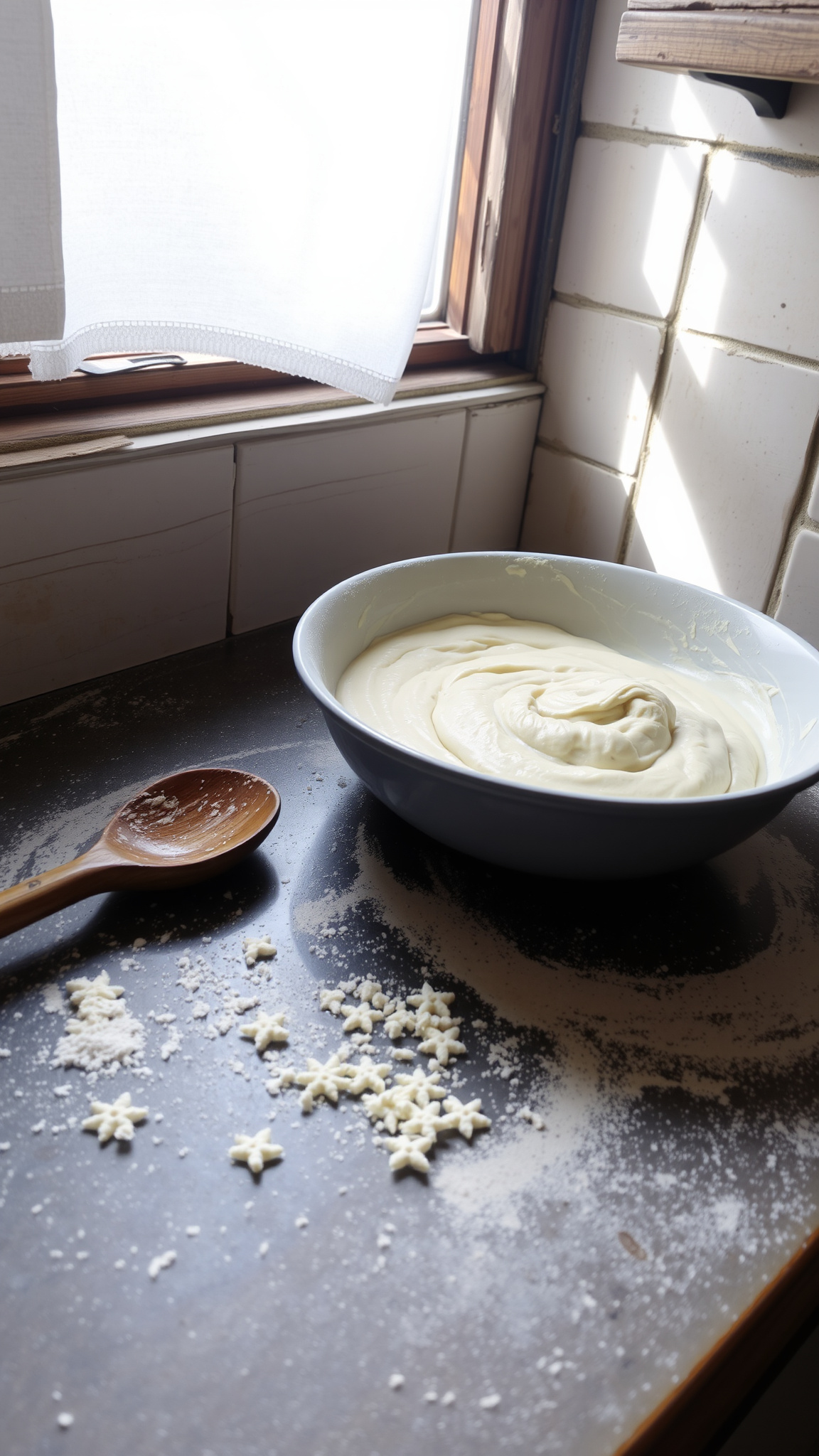
This recipe focuses on time rather than effort. The high water content is the secret to the big air pockets, while a series of “stretch and folds” builds structure without kneading.
You will appreciate this approach because it is forgiving. Even if you have struggled with dense bread before, this method naturally creates lightness. It requires very little hands-on work, just patience while the dough rests and develops flavor.
Essential Ingredients
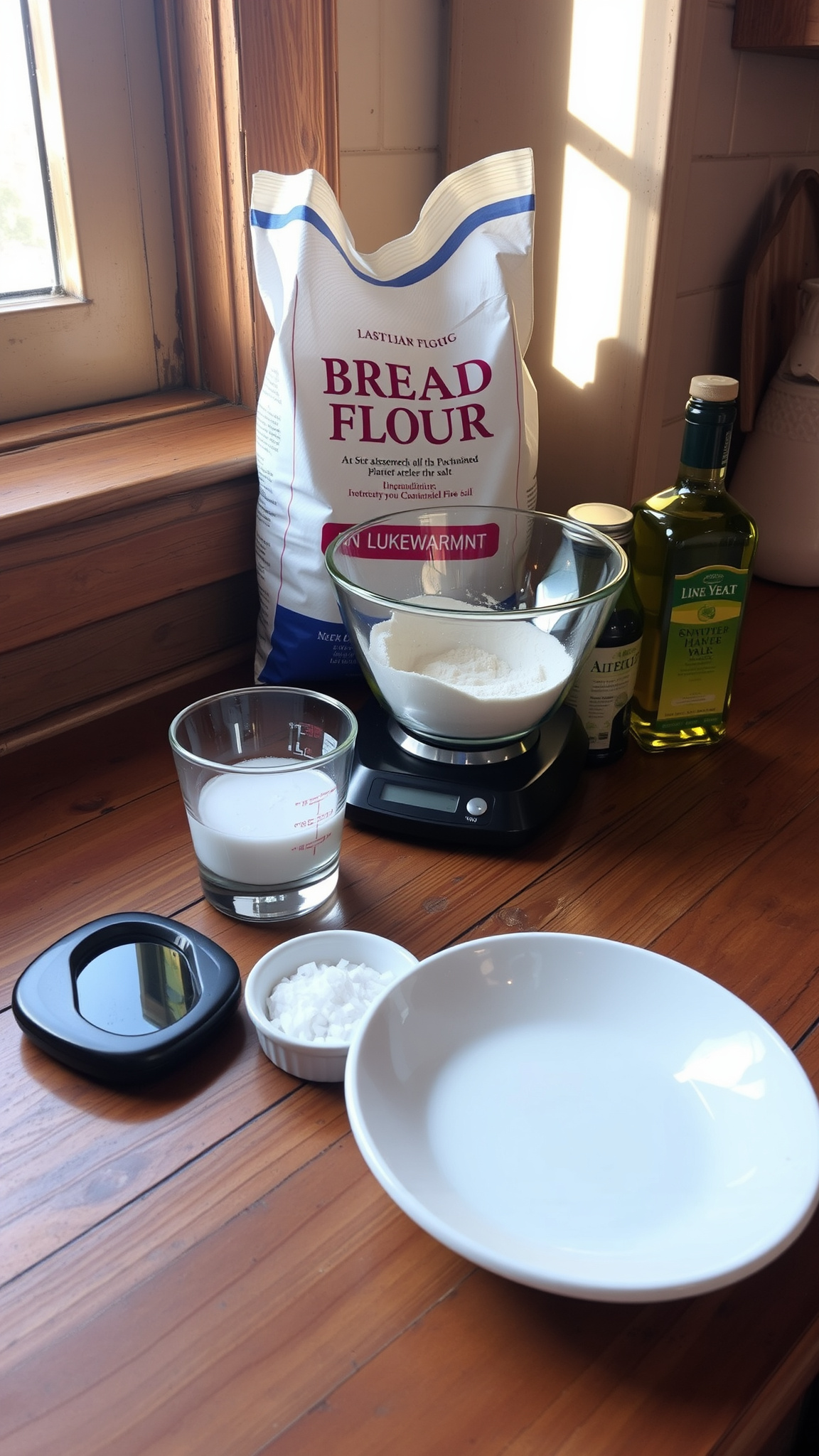
To get that authentic bakery texture, precision matters. Using a kitchen scale is highly recommended for this recipe.
- Bread Flour (500g): You need flour with a high protein content (12-13%). This strength is necessary to hold the structure of the wet dough.
- Warm Water (400g): This recipe uses 80% hydration. The water should be lukewarm, around 95°F (35°C), to wake up the yeast.
- Salt (10g): Fine sea salt is best. It controls yeast fermentation and tightens the gluten structure.
- Instant Yeast (2g or 1/2 teaspoon): We use a small amount of yeast and a longer rise time to develop a more complex, fermented flavor similar to sourdough.
- Olive Oil (15g): Adds a subtle richness and helps the crust crisp up beautifully.
Step-by-Step Baking Instructions
mixing the dough
Combine your flour, salt, and yeast in a large mixing bowl. Pour in the warm water and olive oil. Mix with a spatula or a dough whisk until no dry flour remains. The dough will look very shaggy and sticky. Cover the bowl with plastic wrap or a damp towel and let it rest for 45 minutes.
The Stretch and Fold Process
Ciabatta requires gentle handling to preserve air bubbles. We do not knead this dough; we fold it.
- Wet your hands with water to prevent sticking.
- Grab one edge of the dough, stretch it up high, and fold it over the center.
- Rotate the bowl and repeat this for all four sides.
- Cover and let rest for 30 minutes.
- Repeat this stretch-and-fold process three more times (total of 4 sets), resting 30 minutes between each set.
Bulk Fermentation
After the final fold, cover the bowl and let it rise undisturbed until it has tripled in size. This can take 2 to 3 hours depending on your kitchen temperature. Look for bubbles on the surface and a jiggly texture.
Shaping the Loaves
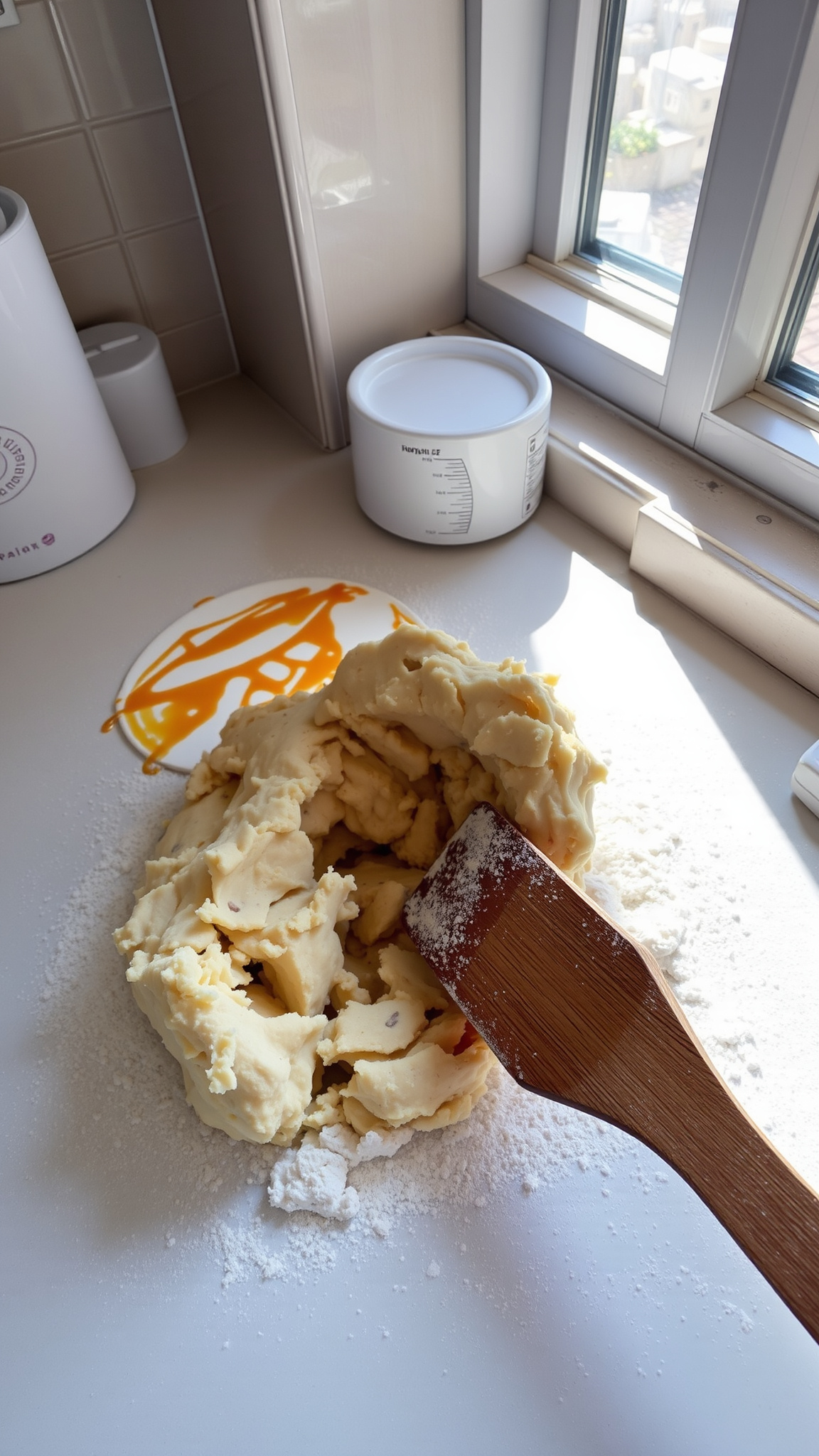
Liberally flour your work surface. Gently tip the bowl upside down and let the dough fall out naturally. Do not punch it down. Dust the top of the dough with more flour.
Using a bench scraper, cut the dough into two equal rectangular pieces. Gently nudge the edges to form rough rectangles, but keep handling to a minimum.
Final Proof
Place the shaped loaves on a piece of parchment paper, separating them with a fold in the paper so they do not touch. Cover with a flour-dusted cloth (couche) or inverted baking tray. Let them proof for 45 minutes. They should look puffy.
Baking
Preheat your oven to 450°F (230°C) with a baking stone or inverted baking sheet inside.
Place a metal pan on the bottom rack of the oven.
Slide the parchment with the loaves onto the hot stone. Immediately pour a cup of boiling water into the bottom metal pan to create steam.
Bake for 20-25 minutes until the crust is deep golden brown. Cool completely on a wire rack before slicing.
Nutrition Facts
| Nutrient | Amount per Serving |
| Calories | 185 kcal |
| Carbohydrates | 36g |
| Protein | 6g |
| Fat | 1.5g |
| Sodium | 380mg |
| Fiber | 1g |
| Sugar | 0g |
Values are estimates based on one slice (approx. 1/10th of the total recipe).
Helpful Tips for Success
Do not fear the stickiness. The dough will be very wet and hard to handle at first. Resist the urge to add extra flour during the mixing phase, or you will end up with a dense brick. Use wet hands during folding and floured hands during shaping.
Steam is crucial. The steam in the first 10 minutes of baking keeps the crust soft, allowing the bread to expand fully (oven spring) before the crust hardens. This creates that thin, shatteringly crisp crust.
Wait to slice. It is tempting to cut into warm bread, but Ciabatta continues to cook internally as it cools. Cutting it too early will result in a gummy texture.
Variations
- Roasted Garlic & Herb: Fold in 5-6 cloves of roasted garlic and a tablespoon of chopped fresh rosemary during the second set of stretch and folds.
- Olive Ciabatta: Add 1/2 cup of pitted, chopped Kalamata olives during the folding process. Pat the olives dry first to avoid adding extra moisture.
- Whole Wheat: You can substitute up to 20% of the bread flour with whole wheat flour for a nuttier taste, though the loaf may be slightly denser.
How to Serve
This bread is versatile. It is robust enough to hold up to heavy fillings but delicate enough for simple toppings.
- Panini: The structure holds up perfectly when pressed and grilled.
- Bruschetta: Slice thickly, toast, and top with diced tomatoes, basil, and balsamic glaze.
- Soup Dipper: The open holes are excellent for soaking up broths and stews.
Storage Instructions
Room Temperature: Store the bread in a paper bag or a bread box for up to 2 days. Plastic bags will soften the crust and make it chewy.
Freezing: Slice the bread once cooled. Place slices in a freezer-safe bag. To eat, pop a slice directly into the toaster or warm the whole loaf in the oven at 350°F (175°C) for 10 minutes to refresh the crust.
Frequently Asked Questions
Why is my dough flat?
This usually happens if the yeast was old or if the dough was over-proofed. If the dough collapses when you gently poke it, it has risen too long.
Can I use all-purpose flour?
You can, but the result will be flatter and less chewy. Bread flour has the necessary gluten to support the large air pockets typical of Ciabatta.
Why are there no big holes in my bread?
This is often due to handling the dough too roughly during the shaping phase. When you tip the dough out, you must be extremely gentle to preserve the gas bubbles created during fermentation.
Conclusion
Making Ciabatta at home is a rewarding process that demystifies working with high-hydration doughs. Once you master the stretch and fold technique, you will be able to produce bakery-quality loaves with that signature open crumb and crisp crust consistently. It is a simple recipe that relies on the natural chemistry of flour, water, and time to create something delicious.


