How to Make Perfectly Caramelized Onions at Home
There are few ingredients in the culinary world as transformative as the humble onion. When treated with heat, time, and patience, a sharp, raw onion softens into something deeply savory, sweet, and jammy. I have spent years perfecting this technique, and I have learned that while the process is simple, it cannot be rushed. This guide will show you exactly how to achieve that rich, golden-brown result without burning them.
Why You Will Love This Recipe
This recipe focuses on the authentic method. Many shortcuts promise caramelized onions in ten minutes, but true flavor development requires time. You will love this approach because it creates a depth of flavor that quick-sautéed onions simply cannot match. It is incredibly versatile, upgrading everything from simple burgers to gourmet dips. Plus, you can make a large batch and freeze them, giving you an instant flavor booster ready whenever you need it.
Ingredients List
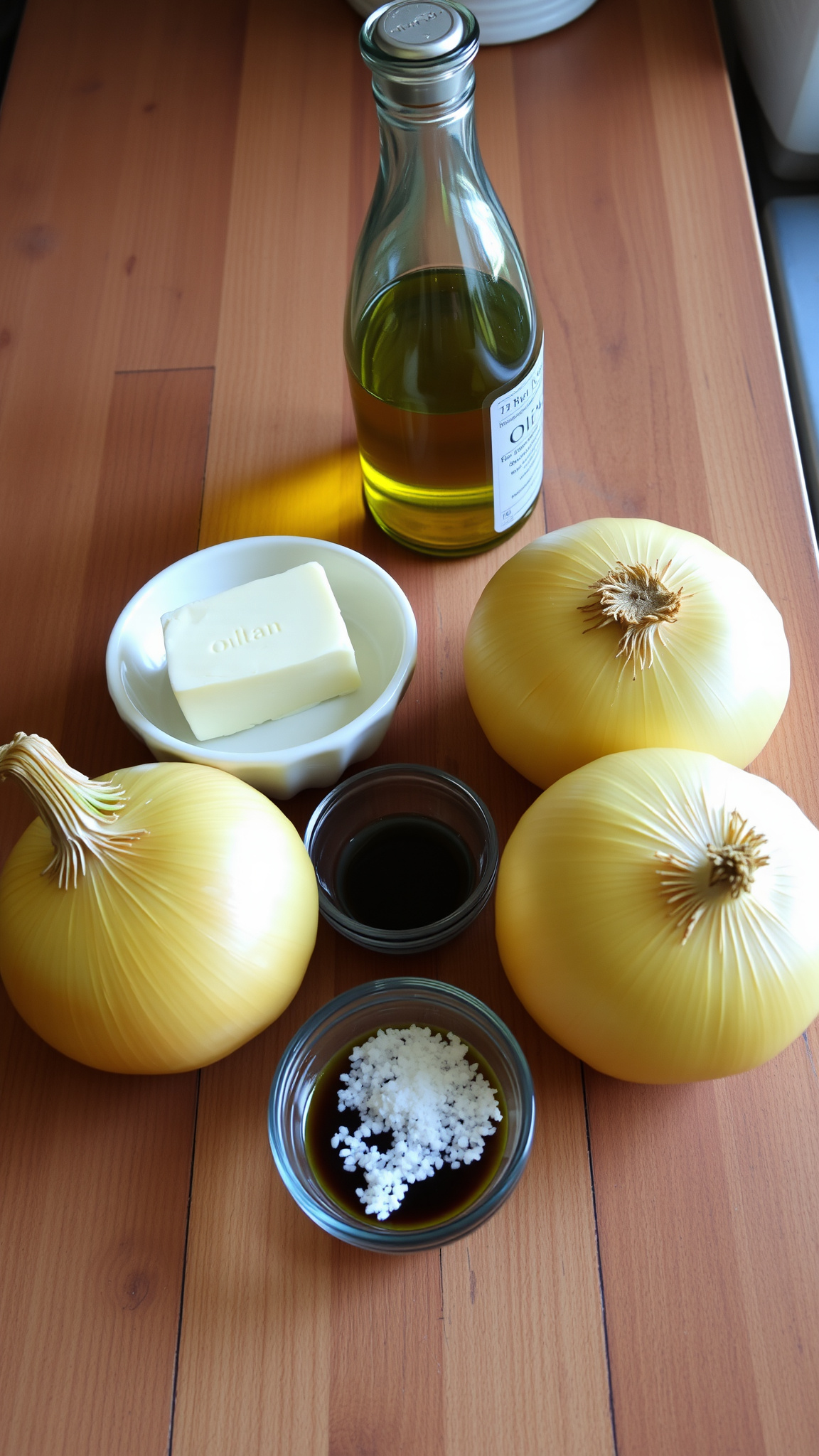
To get the best results, stick to these simple staples.
- 4 large Yellow or Spanish Onions: These varieties have the perfect balance of natural sugars and sulfur compounds for caramelizing.
- 2 tablespoons Unsalted Butter: Adds richness and flavor.
- 1 tablespoon Olive Oil: Prevents the butter from burning during the long cooking process.
- ½ teaspoon Kosher Salt: Essential for drawing moisture out of the onions so they brown properly.
- 2 tablespoons Water (or Broth/Balsamic Vinegar): Used for deglazing the pan at the end.
Step-by-Step Instructions
1. Prepare the Onions
Slice off the stem and root ends of the onions and peel away the papery skin. Cut the onions in half from root to stem. Place the flat side down and slice them into uniform strips, about 1/8 to 1/4 inch thick. Do not slice them paper-thin, or they may dissolve before they brown.
2. Heat the Fat
Place a large stainless steel or cast-iron skillet over medium heat. Add the butter and olive oil. Allow the butter to melt and foam slightly. Swirl the pan to coat the bottom evenly.
3. Begin the Cooking Process
Add all the sliced onions to the pan. It might look like a mountain of onions, but they will shrink significantly. Toss them to coat in the fats. Spread them out as best you can and let them cook for about 5 to 10 minutes until they start to soften and become translucent.
4. The Slow Caramelization
Reduce the heat to medium-low. This is where patience is required. Sprinkle the salt over the onions. Stir the onions every 5 to 8 minutes. You want them to stick slightly to the bottom to develop color, but not burn.
5. Scrape the Fond
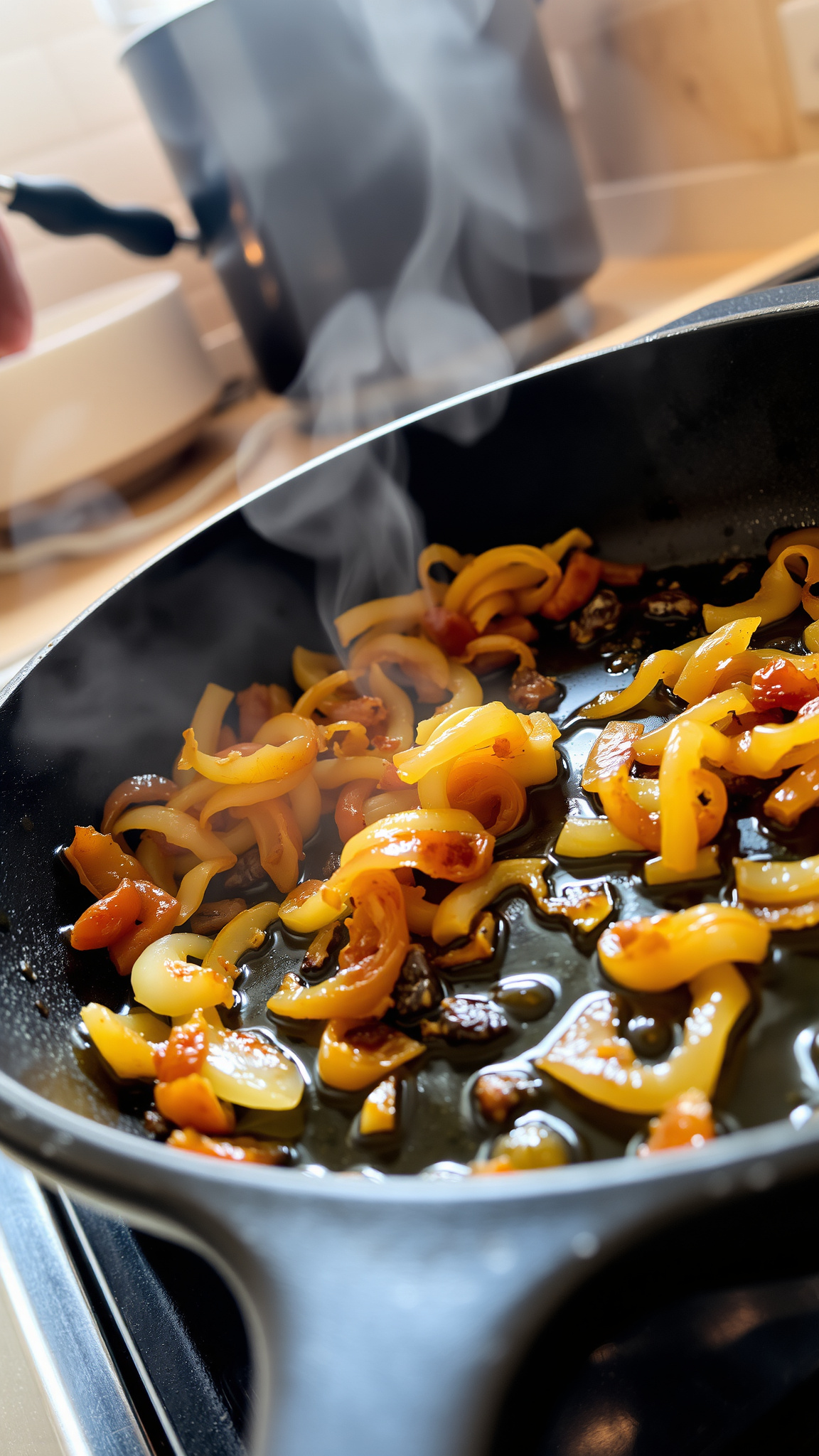
As the onions cook (around the 30-minute mark), you will see brown bits forming on the bottom of the pan. This is called “fond.” Use a wooden spoon or spatula to scrape this flavor back into the onions. If the pan looks too dry or the fond is darkening too fast, add a splash of water to loosen it.
6. Final Deglaze
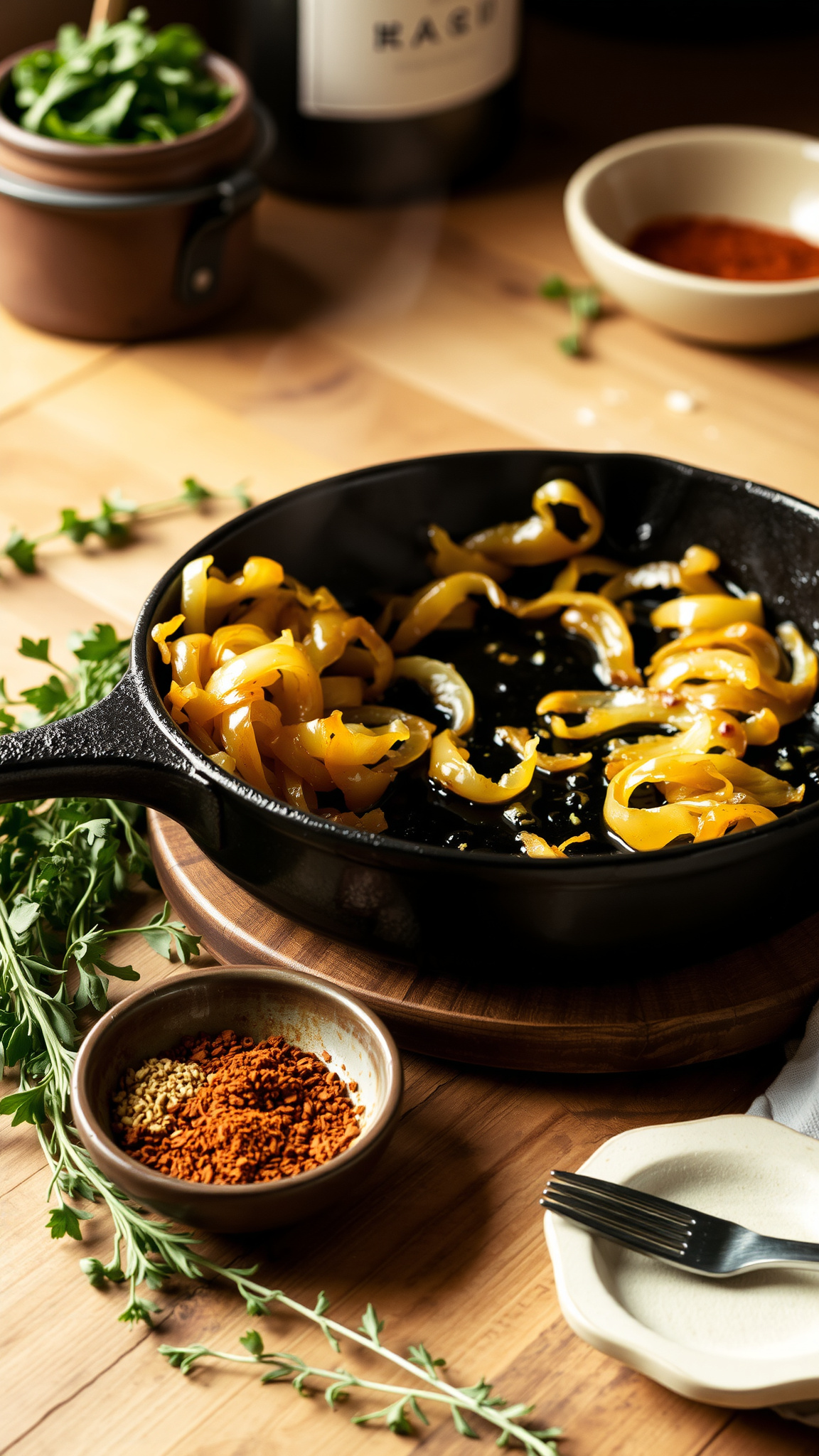
After 45 to 60 minutes, the onions should be a deep, rich golden brown and significantly reduced in volume. Pour in your liquid of choice (water, broth, or balsamic) to deglaze the pan one last time, scraping up any remaining bits. Cook for one final minute until the liquid evaporates.
Nutrition Facts
| Nutrient | Amount per Serving |
| Calories | 95 kcal |
| Total Fat | 6g |
| Saturated Fat | 3g |
| Sodium | 150mg |
| Total Carbohydrates | 10g |
| Dietary Fiber | 2g |
| Sugars | 5g |
| Protein | 1g |
Helpful Tips for Success
- Use the Right Pan: A wide stainless steel or cast-iron pan is ideal. Avoid non-stick pans if possible, as they make it harder for the fond (the tasty brown bits) to form on the bottom.
- Crowd the Pan: Unlike searing meat, you actually want to crowd the pan here. The steam released from the onions helps regulate the heat in the beginning.
- Don’t Rush: High heat will burn the onions before the sugars have time to break down. Medium-low is the sweet spot.
- Salt Early: Adding salt at the beginning helps draw out moisture, speeding up the breakdown process.
Variations
- Balsamic Onions: Add a tablespoon of balsamic vinegar during the final 5 minutes for a tangy, acidic kick.
- Sweet Caramelized Onions: If your onions are particularly sharp, you can add a teaspoon of brown sugar about halfway through cooking to aid the browning process.
- Spicy Onions: Add a pinch of crushed red pepper flakes or cayenne pepper when you add the salt.
How to Serve
There are endless ways to use your batch of caramelized onions:
- Burger Topping: Pile them high on a cheeseburger or patty melt.
- French Onion Soup: This recipe is the base for a classic soup; just add beef broth and herbs.
- Pizza: Use them as a topping for a white pizza with goat cheese and thyme.
- Dip: Mix them into sour cream or Greek yogurt for a homemade onion dip.
Storage Instructions
Fridge: Allow the onions to cool completely, then transfer them to an airtight container. They will keep in the refrigerator for up to one week.
Freezer: These freeze beautifully. Spoon cooled onions into an ice cube tray or small freezer bags. They can be stored frozen for up to three months. You can add them directly to soups or sauces from frozen.
FAQs
Can I make caramelized onions quickly?
Technically, you can sauté onions quickly, but true caramelization is a chemical process that requires time to break down complex sugars. “Quick” methods usually result in fried or burnt onions rather than the jammy consistency of true caramelized onions.
Why are my onions burning instead of browning?
Your heat is likely too high, or you aren’t stirring often enough. If they start to burn, turn the heat down to low and add a splash of water to stop the frying process immediately.
What is the best type of onion to use?
Yellow or Spanish onions are the industry standard because they have a high sugar content and a balanced flavor. Red onions also work well but will have a darker, purple color. Sweet onions (like Vidalia) can be used but may become too soft/mushy due to high water content.
Conclusion
Mastering how to make caramelized onions is a fundamental skill that pays dividends in flavor. While it requires about an hour of your time, the result is a savory, sweet condiment that elevates simple dishes into restaurant-quality meals. Once you taste the difference of slow-cooked onions, you will find yourself making a double batch just to have them on hand.